

Learning at Sophia: Faculty of Theology Edition
|The ability to see the world through Christianity cultivated at Sophia
About the Faculty of Theology
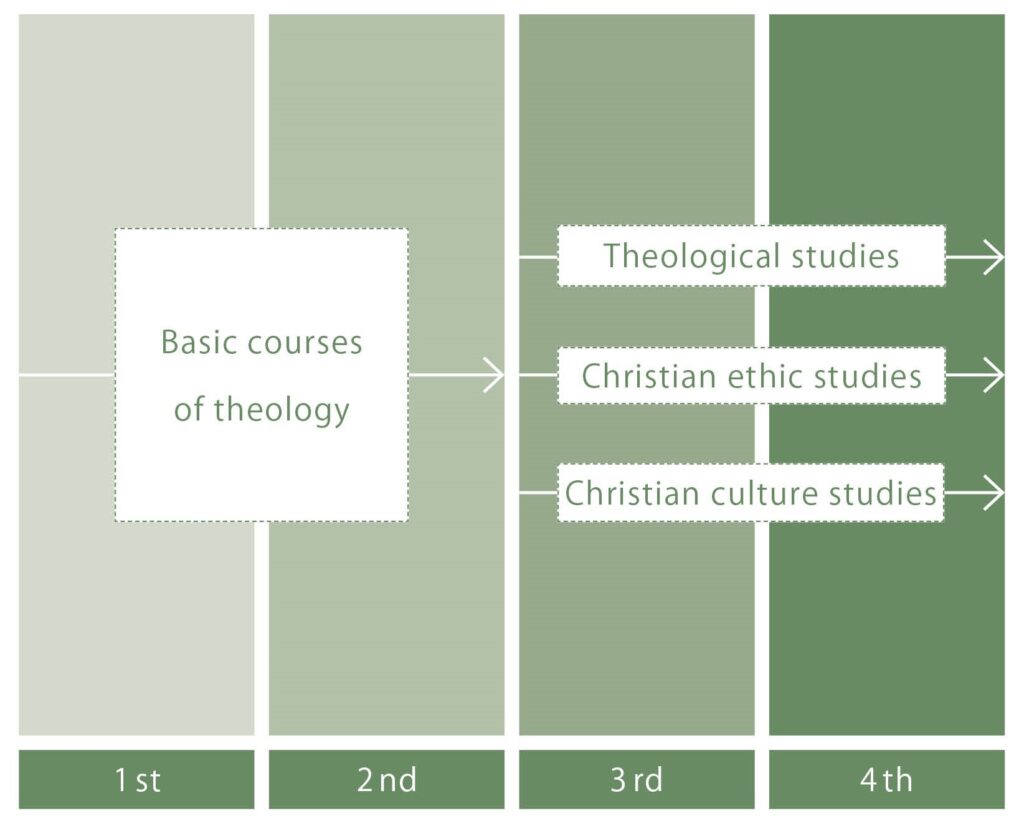
After meeting the fundamental course requirement of the Faculty of Theology, from the third year, each student chooses his or her own field of study and advance their expertise in their field of specialization. Students find their own research topics and further refine their research in the fourth year and compile it into a graduation thesis.
- Theological Studies
In the Theology Department, students specialize in Catholic theology. This program is for students who wish to be professionally trained in theology and those who seeks career as the clergy. Students may proceed to graduate school and obtain a degree (STB/STL/STD) approved by the Roman Curia.
- Christian Ethics Studies
In Christian Ethics, students study humanity and social justice from the Christian standpoint of view. The program aims to provide the students with the methodology to answer the ethical questions with Christian values.
- Christian Culture Studies
In Christian Culture, students study the history and modern significance of Christian culture through the fields of philosophy and the arts. Through this program, students acquire a refined knowledge of Christian culture.
Learning Highlights
Study at Japan’s One and Only Faculty of Catholic Theology
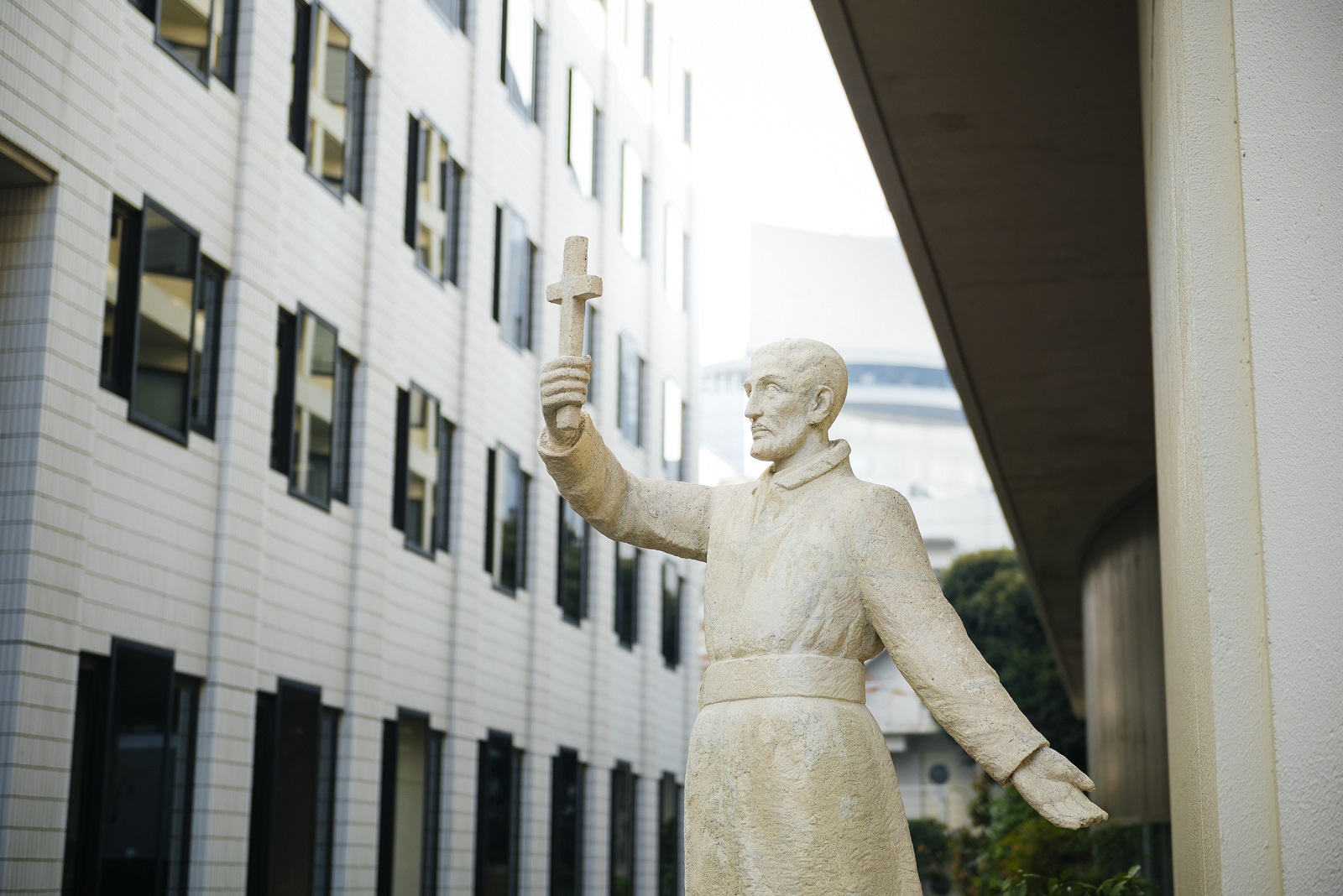
The Faculty of Theology at Sophia University is the only faculty in Japan dedicated to Catholic theology. As part of the global network of Catholic universities built upon centuries of academic tradition, students engage in the systematic study of Christianity and Catholic theology.
Recognized by the Holy See as an Ecclesiastical Faculty, alongside the theology faculties of renowned Jesuit universities around the world, the Faculty also offers a pathway to ecclesiastical degrees recognized throughout the global Catholic Church.
View Contemporary Society through the Lens of Christianity
The study of religion offers new perspectives on both humanity and the world. By exploring Christianity through a wide range of disciplines—including philosophy, history, political science, and other academic fields—students develop the intellectual foundation to examine the complex challenges facing contemporary society and consider new possibilities for addressing them.
A deep understanding of Christianity, one of the world’s most influential religious traditions, also provides a strong foundation for engaging with people from diverse cultural, social, and religious backgrounds.
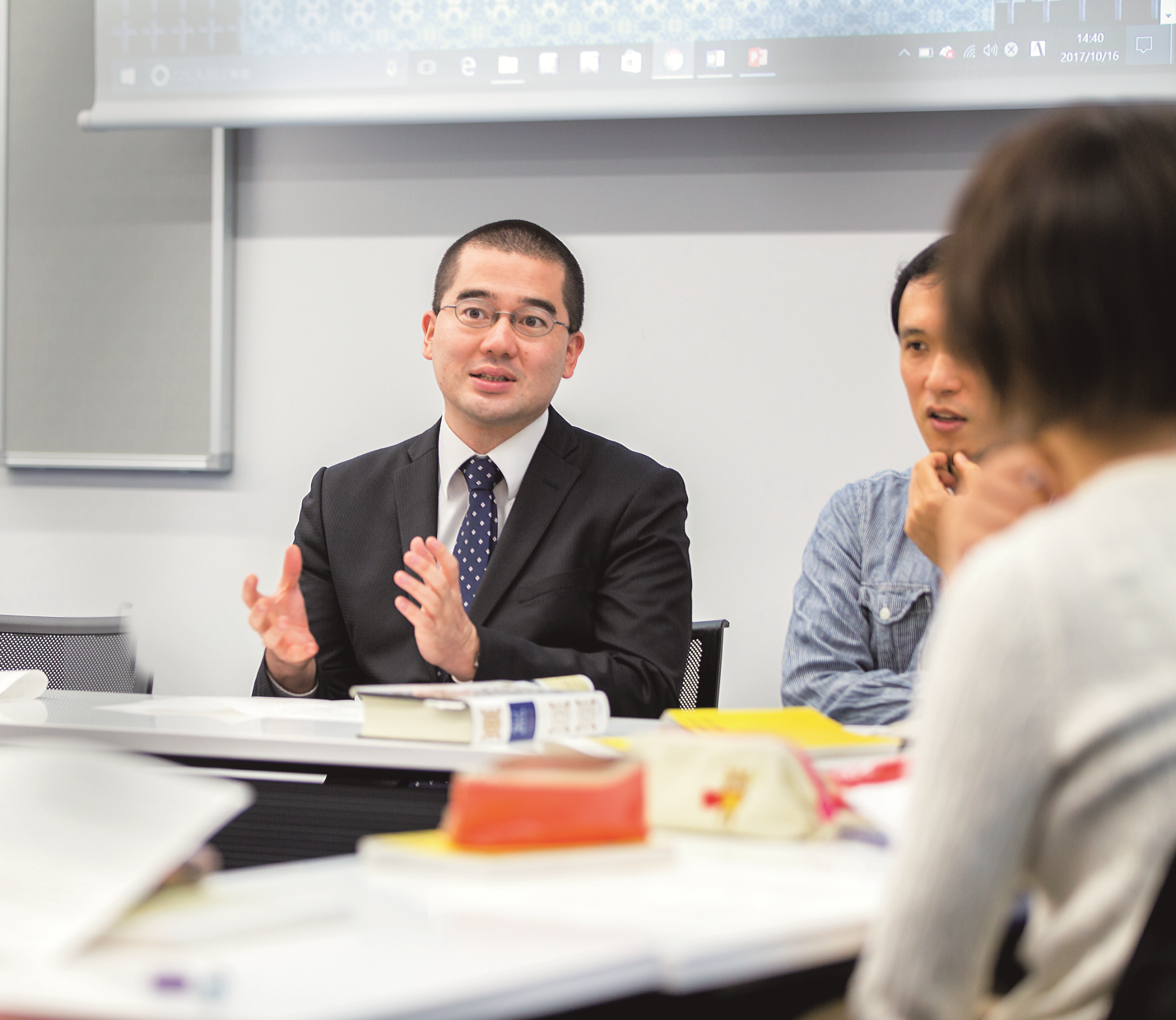
Develop Meaningful Dialogue through a Close-Knit Learning Community
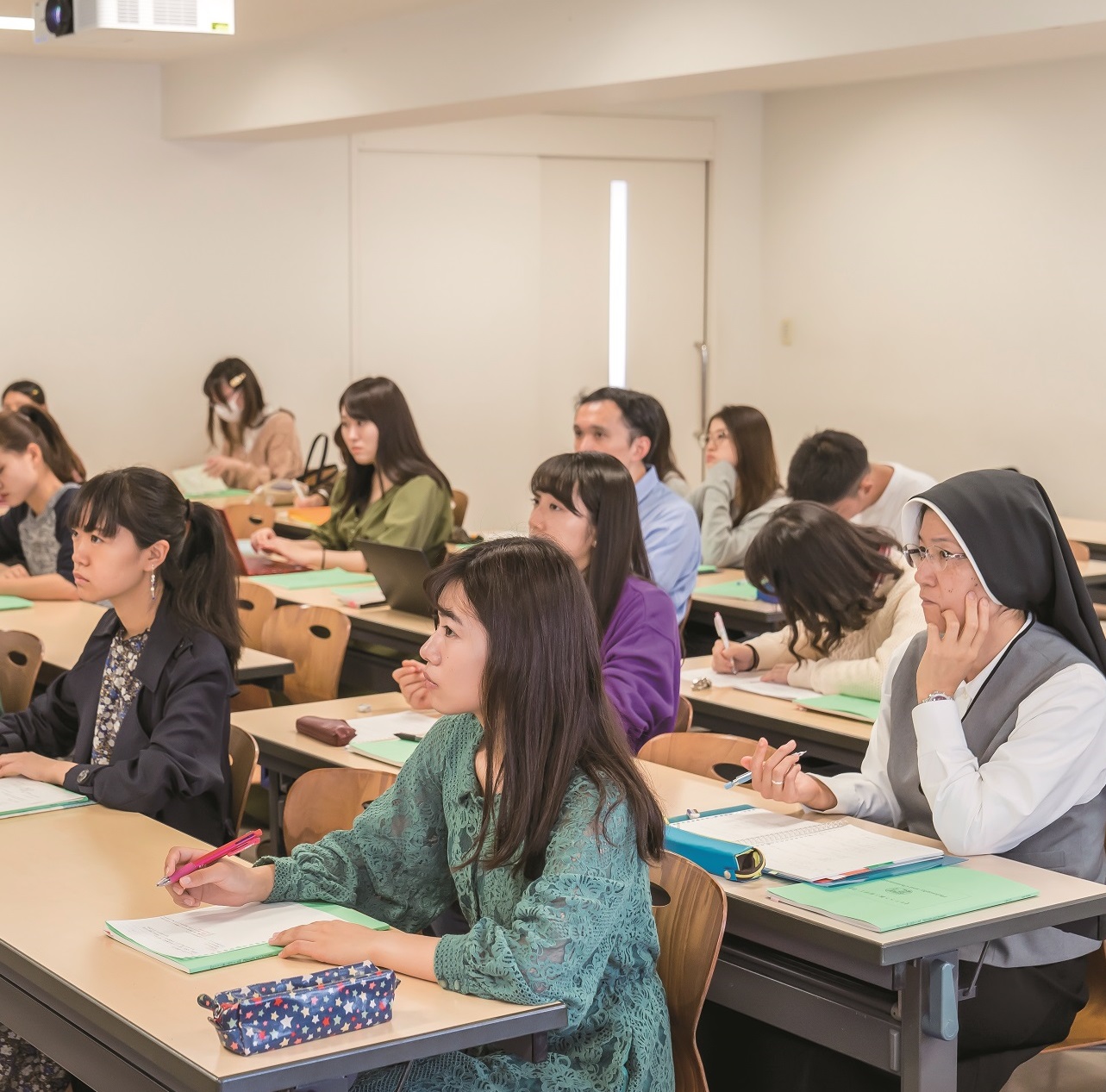
While many students come from Christian secondary schools, the faculty also welcomes those with no Christian background. With an annual enrollment of approximately 50 students, the faculty offers a small, diverse learning community enriched by a wide range of ages, nationalities, and religious traditions.
Beyond classroom learning, students deepen their understanding of one another through close interaction and dialogue, developing the ability to navigate differences with empathy, openness, and mutual respect.
Educational Objectives and Policies
-
To contribute in building a better world through education and research based on Christian values, with Catholic theological education and research at its core.
-
To cultivate global citizens with education based on Christian values and to foster clergy and education professionals of the Catholic Church, in order to contribute in building a better world.
-
The Faculty of Theology sets standards for the skills and knowledge students should acquire before graduation as described below. Those who fulfill the graduation requirements shall be deemed to have acquired these qualities and will be awarded a diploma.
- Fundamental knowledge of ecclesiastical theology and its values, the ability to academically approach the various issues faced by modern society based on those fundamentals and the capacity to be committed in practice
- In depth knowledge of the “Pro gram” chosen and the ability to analyze and inquire into the various issues pertaining to the discipline.
- Academic skills associated with surveys, discussions and presentations for theological research.
- The ability to complete a thesis in accordance with the “Program” selected.
-
In accordance with the Diploma Policy, the Faculty of Theology constructs its curriculum with the following course groups.
- Courses that nurture basic knowledge of Catholic theology.
- Elective Compulsory Courses for students to pursue in-depth specialized studies in accordance with their individual interests, aligned with the programs students have chosen (Theology Program, Christian Ethics Program, Christian Culture Program).
- Compulsory Courses that nurture academic skills associated with research, discussion and presentation required to pursue theological studies.
- Compulsory Courses that foster problem-solving skills and presentation skills toward writing a thesis that integrates theological studies.
- Specialized Theology Courses aligned to the criteria for acquiring international degrees (STB/STL/STD) commonly granted by pontifical faculties under the authority of the Holy See and courses associated with missionary practices in response to church needs.
-
The Faculty of Theology mainly addresses Catholic theology in its research and education, and hence welcomes students with the following qualities:
Students with a basic knowledge of Christianity Students embracing a flexible mind open to different cultures and internationality Students who are concerned about human dignity and social justice and are actively engaged in volunteer activities Students who are eager to contribute to the Catholic church and human society.
In order to proactively admit students from various backgrounds, we have diversified our admission procedures. We test not only applicants’ Japanese language skills but also their language proficiency in English and other languages, as well as test their knowledge of history, and we lay particular importance on interviews. We welcome transfer students in order to admit a diversity of people from society, including those who wish to become a priest.