

Learning Through Experience: Deepening My Cross-Cultural Understanding in Indonesia
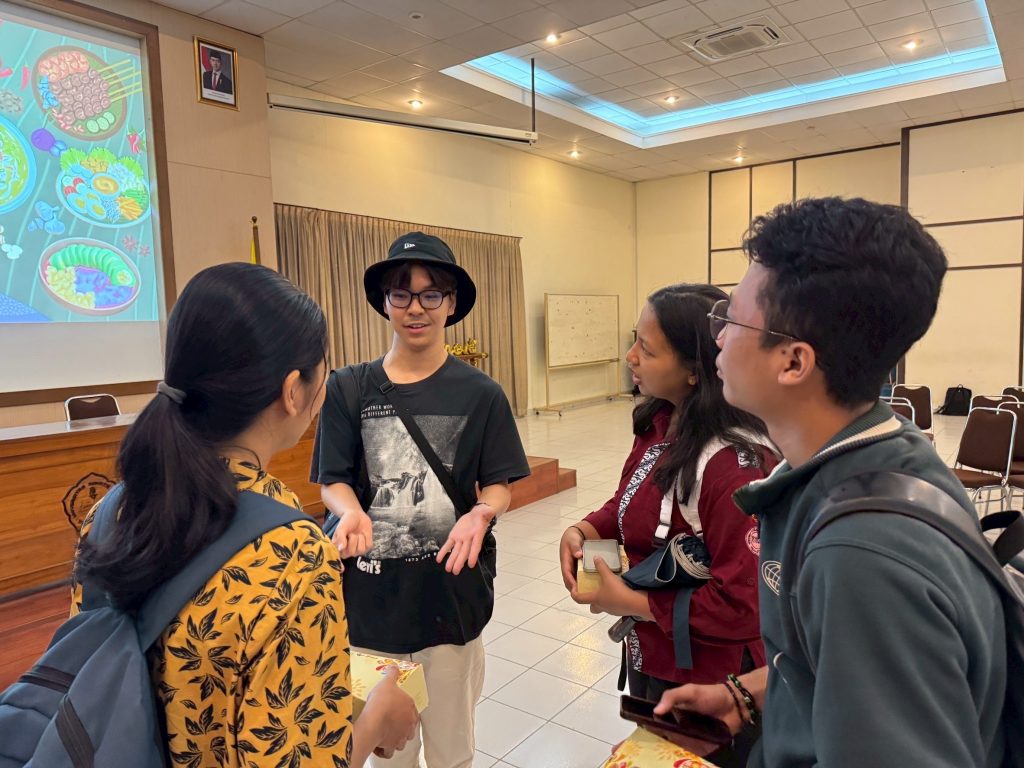
Name: Daiki Mayumi
Faculty/Department and Year (at the time of participation): Third-year student, Department of English Studies, Faculty of Foreign Studies
Program Period: August– September 2025
Destination: Sanata Dharma University (USD), Indonesia
Program Type: Social Engagement Programs, Learning Ethnographic Fieldwork in Indonesia and Timor-Leste



Every year, many Sophia University students study abroad in countries all over the world outside of Japan. How did they manage to find their way through the differences in languages, cultures, and lifestyles? Here are some voices of students who studied abroad.
Q. What inspired you to study abroad?
When I attended an information session for a short-term program, I felt that it might be my “last opportunity to study at a university overseas.” This became the turning point that led me to decide to study abroad.
Until then, I had assumed that studying abroad would not be an option for me due to family circumstances, so I was unsure whether I should follow my intuition and make such a decision. However, with the encouragement and support of the people around me, I decided to trust my instincts and take the opportunity.
Q. How did you choose your destination and university?
I had been studying Southeast Asia, so I narrowed my options down to this program and another practical learning program, Learning from Southeast Asia.
I was particularly interested in insular Southeast Asia, where diverse cultures and peoples have interacted and exchanged with one another across the seas. I therefore chose Indonesia, one of the countries that best represents this region.
Q. Did you have any concerns before studying abroad?
Although the program was designed for students to travel and study together as a group, I had applied individually, so I was concerned about building relationships with the other students.
I also never felt completely prepared, no matter how much time I spent preparing in advance. I constantly felt a sense of anxiety and pressure before my departure.
Q. What did you do to prepare for your study abroad experience? Is there anything you wish you had done beforehand?
I prepared by studying Indonesian, the local official language, as well as learning about Indonesian society and its people through local media.
If I had to identify one thing I wish I had done differently, it would be preparing for self-introductions. I found it surprisingly difficult to talk about myself, and I wish I had learned more expressions beforehand so that I could communicate more smoothly with local students.
Q. What were the university and student life like?
There was a welcoming atmosphere in which people could understand one another even when they did not share the same language. Many of the students were kind and friendly, and whenever I faced difficulties, they were quick to help.
The professors and university staff also respected my opinions, which made me feel comfortable asking questions and seeking advice without hesitation.
Q. How did you build relationships with other people?
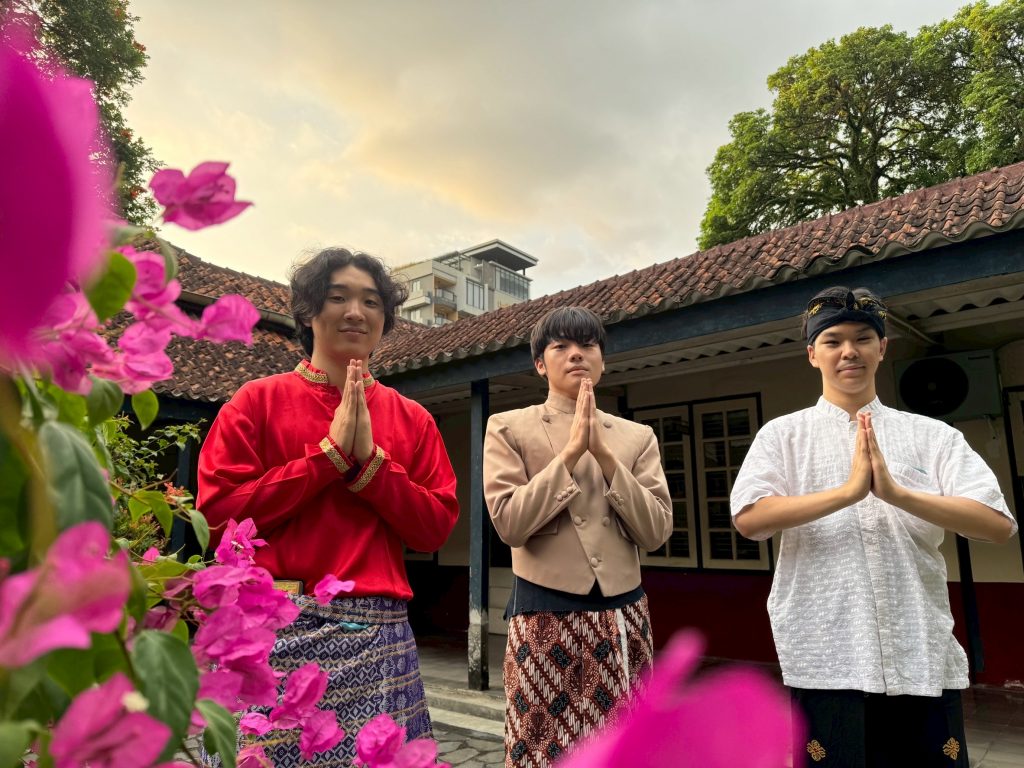
I had opportunities to talk with my host family every evening. Through these conversations, we introduced each other to our respective cultures and gradually deepened our understanding of one another.
During group work, each of us was paired with a local university student. By asking them about classes and the rules and customs of daily life, I was able to communicate with and get to know the students more closely.
Q. Were there any differences in classes, learning, or examinations compared with Japan?
I participated in two types of classes: Indonesian language classes and classes centered on cultural experiences.
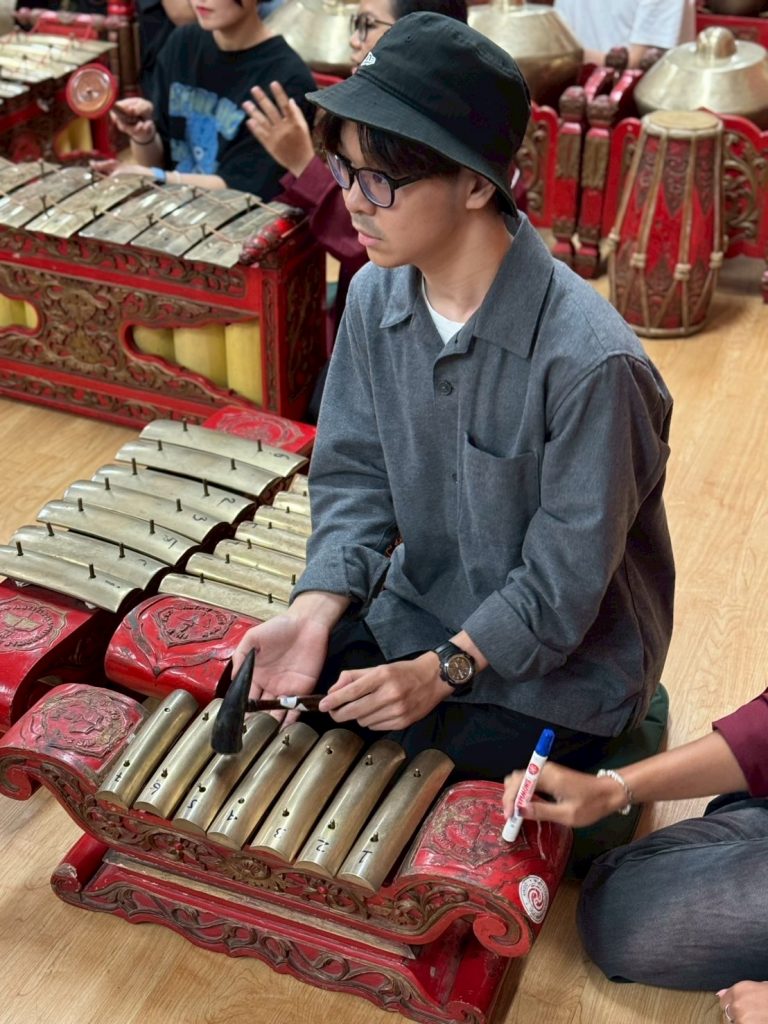
The Indonesian classes were similar to those in Japan, where students learn through textbooks. The cultural experience classes, however, were quite different. We left the classroom and learned through hands-on activities with local students, such as creating poetry together and playing gamelan, a traditional Javanese musical ensemble.
These classes offered a unique opportunity to learn through direct experience.
Q. What did you focus on most outside of your academic studies?
I devoted a great deal of time to learning about current social issues through local news and social media.
Whenever I encountered information online, I tried to understand what it represented and think about the social circumstances and individual values underlying different perspectives on what was considered right or wrong.
Q. What did you find particularly appealing about your host city, and what did you discover during your stay?
Yogyakarta, where I studied, is home to many universities, and I felt that many people were particularly friendly toward students.
I still remember an occasion when I had difficulty at a supermarket checkout. Someone standing behind me spoke to me and kindly helped me, even though my Indonesian was still quite limited.
Q. What difficulties or unexpected problems did you encounter, and how did you overcome them?
During my stay, demonstrations took place, and for a period of time I was unable to go outside.
While restrictions were in place, I stayed in close contact with my professors and host family and made safety my top priority. At the same time, I viewed the situation as an opportunity to learn about the social conditions in Indonesia and continued to pursue what I could learn under the circumstances.
Q. In what ways do you feel you grew or changed as a result of your study abroad experience?
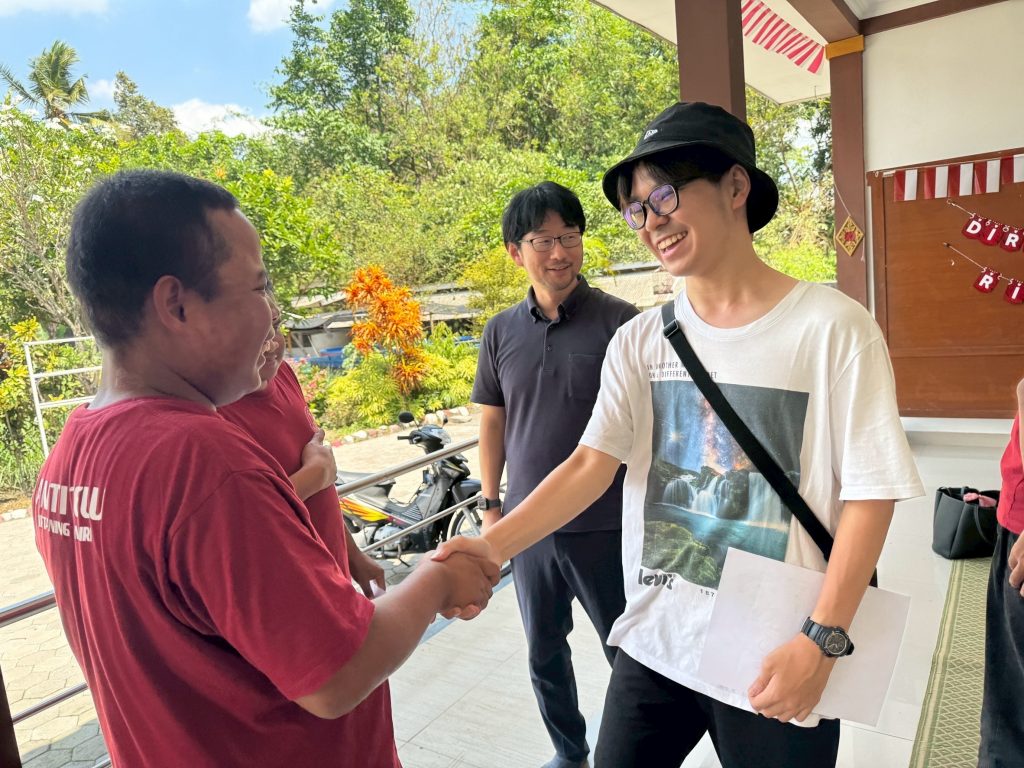
I have become more comfortable accepting values and ways of thinking that are different from my own.
I came to realize that differences are precisely why we should not give up on trying to understand one another. I also learned that when I am curious about something, I should not hesitate to approach people and ask them directly.
Q. How do you think your study abroad experience will influence your future?
My perspective on learning has broadened considerably.
Through fieldwork, I developed an interest in academic fields that explore society, such as cultural anthropology and sociolinguistics. After graduation, I hope to continue deepening my understanding of Southeast Asian societies.
Q. What would you say to students who are unsure whether they should study abroad?
Some people may not be able to think of a specific reason to study abroad. I believe that simply thinking, “I want to go,” is a good enough reason.
There will certainly be many challenges, but it would be a shame to give up because of them. I hope you will value that first step you take and have the courage to move forward.