

A Passion for Film Opens the Door to a New Chapter of Life in France
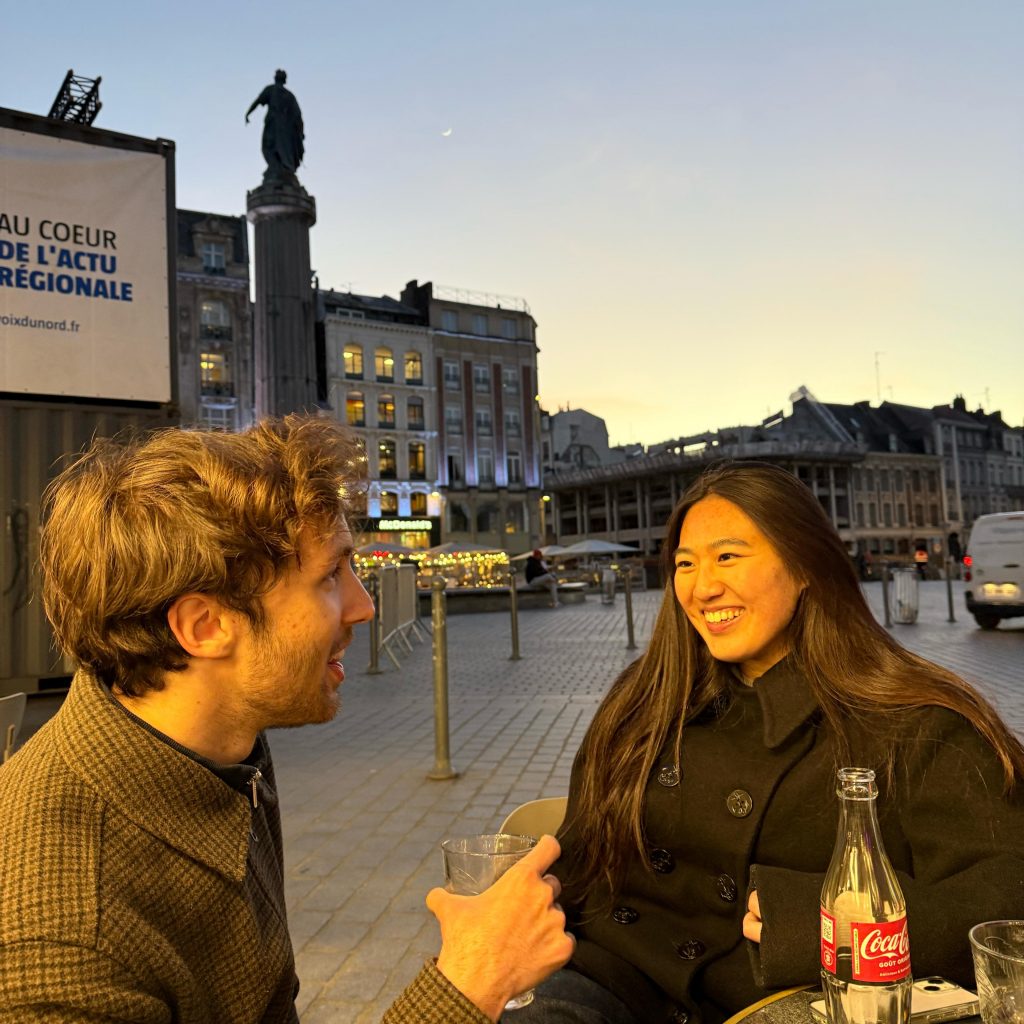
Name: Mafa Tanaka
Faculty/Department and Year (at the time of study abroad): Faculty of Foreign Studies, Department of French Studies, Fall semester of third year to Spring semester of fourth year
Study Abroad Period: September 2024 – June 2025
Destination (Country/University): France, Université Catholique de Lille
Type of Study Abroad: Exchange Program



Every year, many Sophia University students study abroad in countries all over the world outside of Japan. How did they manage to find their way through the differences in languages, cultures, and lifestyles? Here are some voices of students who studied abroad.
What inspired you to study abroad?
My fascination with foreign languages and cultures traces back to my childhood when movies and music sparked my interest in these areas. I’ve always had a dream of studying abroad someday. I had intended to participate in a language study program in the UK during high school, but it was canceled due to the pandemic. So, I made the decision even before entering university that I would definitely study abroad during my college years.
How did you choose your study abroad destination (country and university)?
Following the cancellation of my high school language study abroad program, I came to the decision that if I was going to study abroad, I didn’t want to just learn a language—I wanted to study the arts, which I’m passionate about, in their local language. My particular interest in film led me to pursue studies in France, recognized as the birthplace of cinema. I made the decision to enroll in the French Language Department and began learning French from scratch as soon as I was granted admission to Sophia.
Were you anxious about anything before studying abroad?
Since it was my first time living on my own, I was anxious. Dealing with all the paperwork for the visa, university, and housing in French was also a challenge for me. Before leaving, I was mainly worried about getting to France safely. It wasn’t until I arrived that I began to consider the potential language and cultural barriers.
What did you do to prepare for your study abroad experience, and is there anything you would have done differently?
I thought I had learned a lot about the French language and culture in my classes at the French department, but once I started living in France, I struggled, especially with the language.
Initially, I was unable to grasp the local accent, particularly the way students spoke. I wish I had used the radio and YouTube to become more familiar with casual speaking patterns.
What was the atmosphere like at the university and among the students?
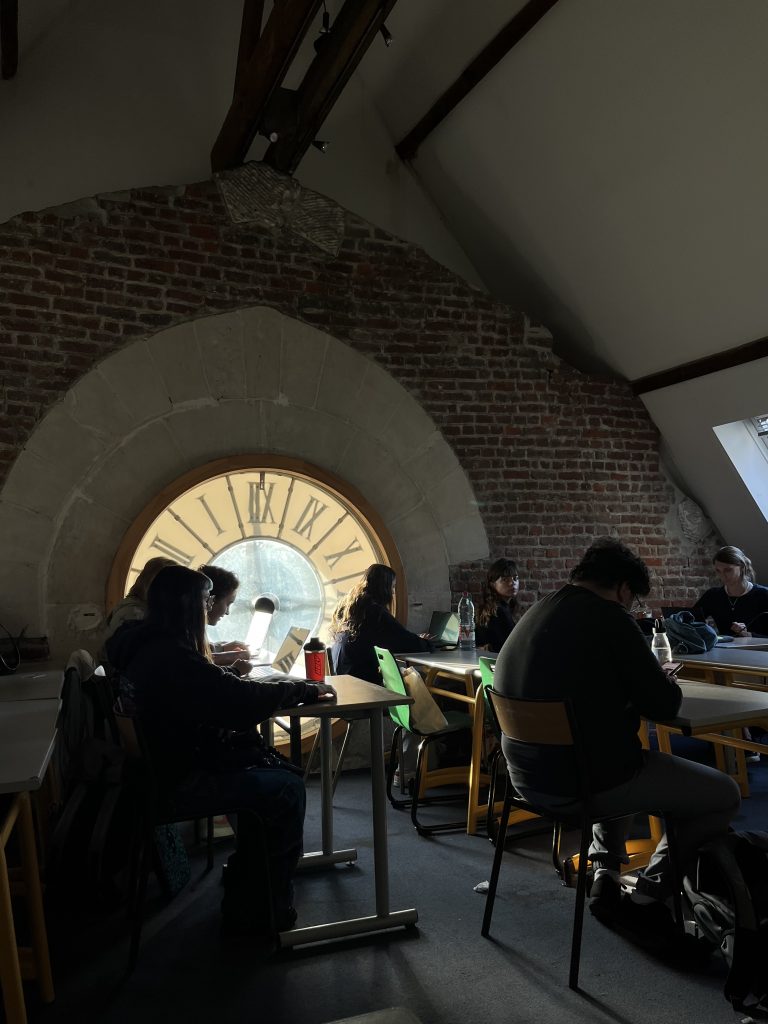
Since my university was a private Catholic institution, I felt its facilities and student atmosphere were similar to those at Sophia University. Also, since there were many international students, the university provided solid support with not only course registration, but also housing, insurance, and transportation arrangements.
How did you build your social circle?
Since I was taking classes with local students, it was difficult to keep up with the coursework. Given that situation, I was nervous about joining an established group of students. However, since I was the only international student, some students reached out to me. They let me borrow their notes before exams and helped me prepare and review while we ate lunch together.
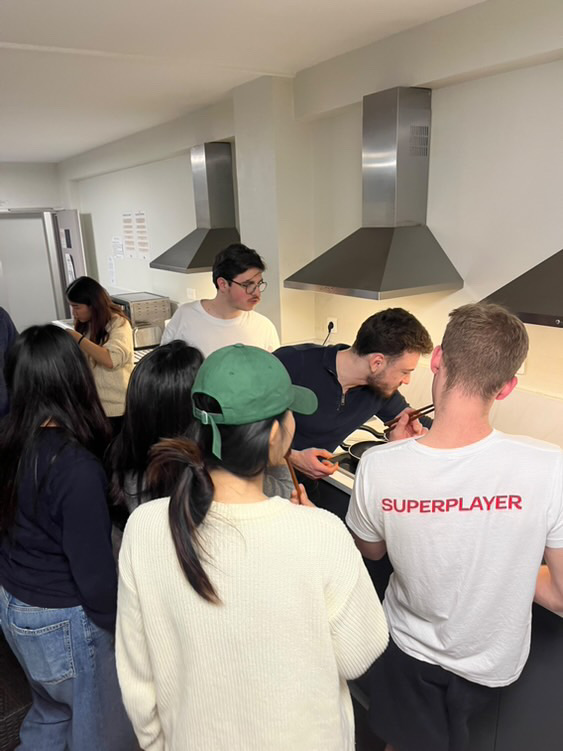
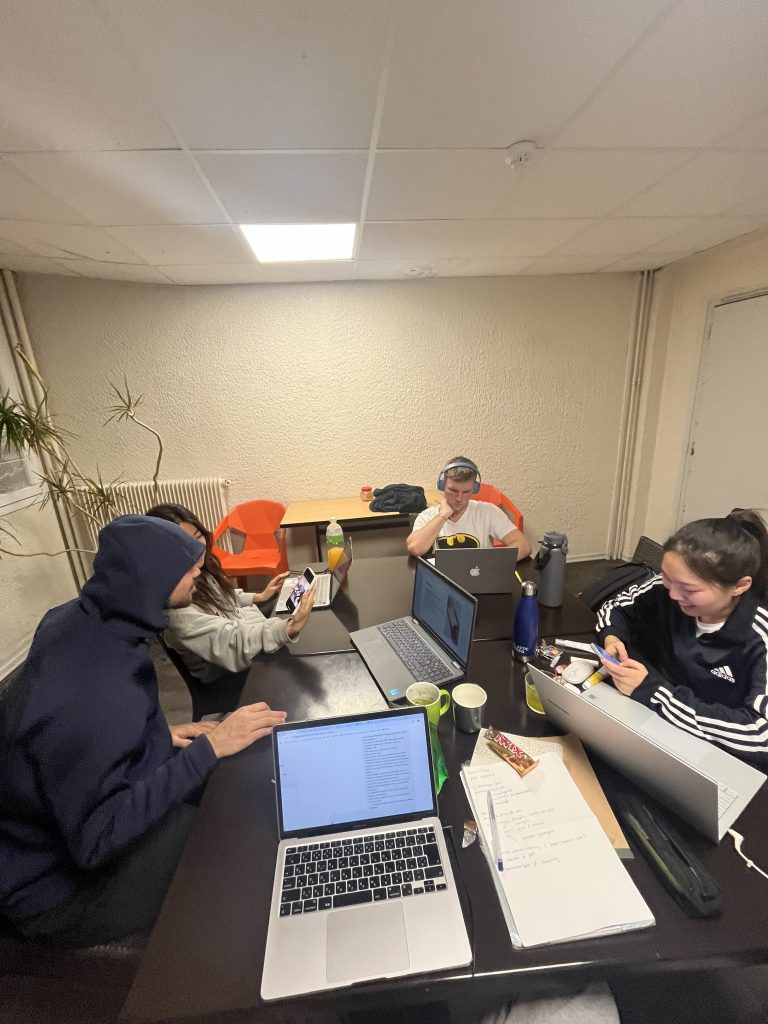
I became close with students living in my dorm through the shared kitchen. Since there were so many international students in the dorm, we often treated each other to dishes from our home countries. I spent most of my days with my dorm friends, eating, shopping, and studying together.
Were there any differences in class structure, course content, or exams compared to those in Japan?
The format consisted solely of listening to the professor and taking notes; there were no slides or handouts for the lectures. I was completely exhausted by the end of the two-hour lectures because the class would move forward even while I was looking up unfamiliar words.
Exams were primarily essay-based rather than multiple-choice. I had a hard time understanding how to structure my arguments and what kind of language to use until I got the hang of the French dissertation format.
What did you focus on most outside of your studies?
I was very conscious of my physical and mental health. I had never cooked for myself when I lived in Japan, but once I got used to life there, I made sure to eat healthy meals. Supermarkets and the local Sunday market offered affordable, tasty fruits and vegetables, so it was easy to maintain a healthy diet.
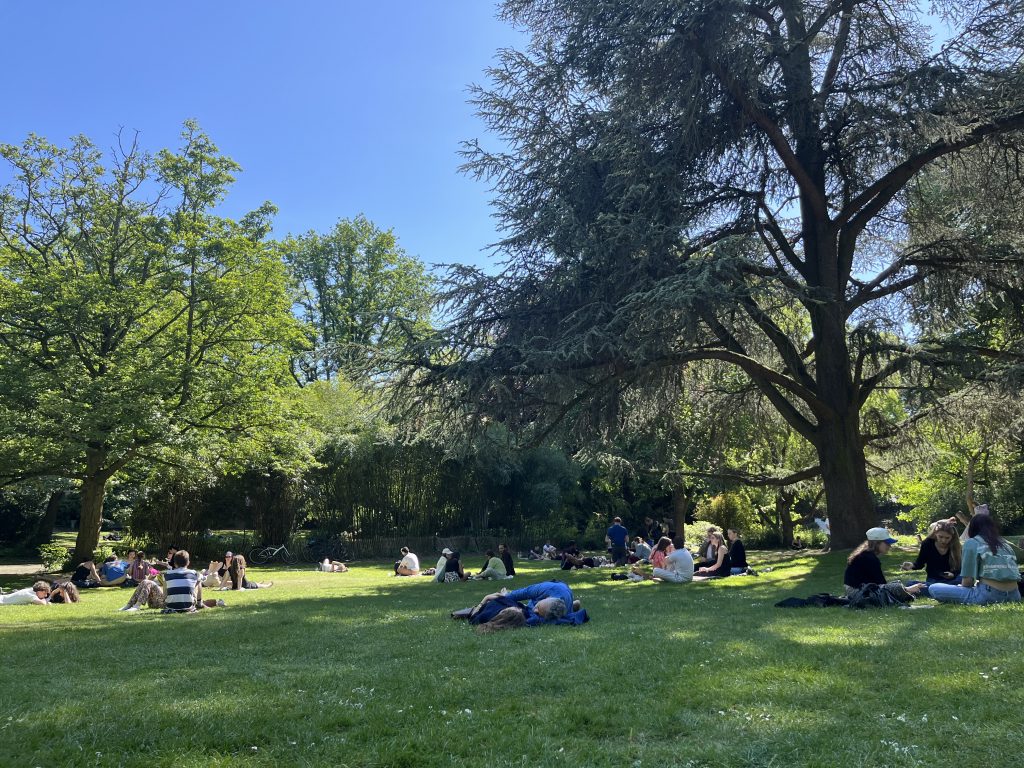
I didn’t want to compromise on my studies, but I also didn’t want to burn out. When I was tired, I’d invite friends to go for a walk in a nearby park or cook together to relax.
What are the unique charms of your study abroad destination, and what new insights did you gain from your experience?
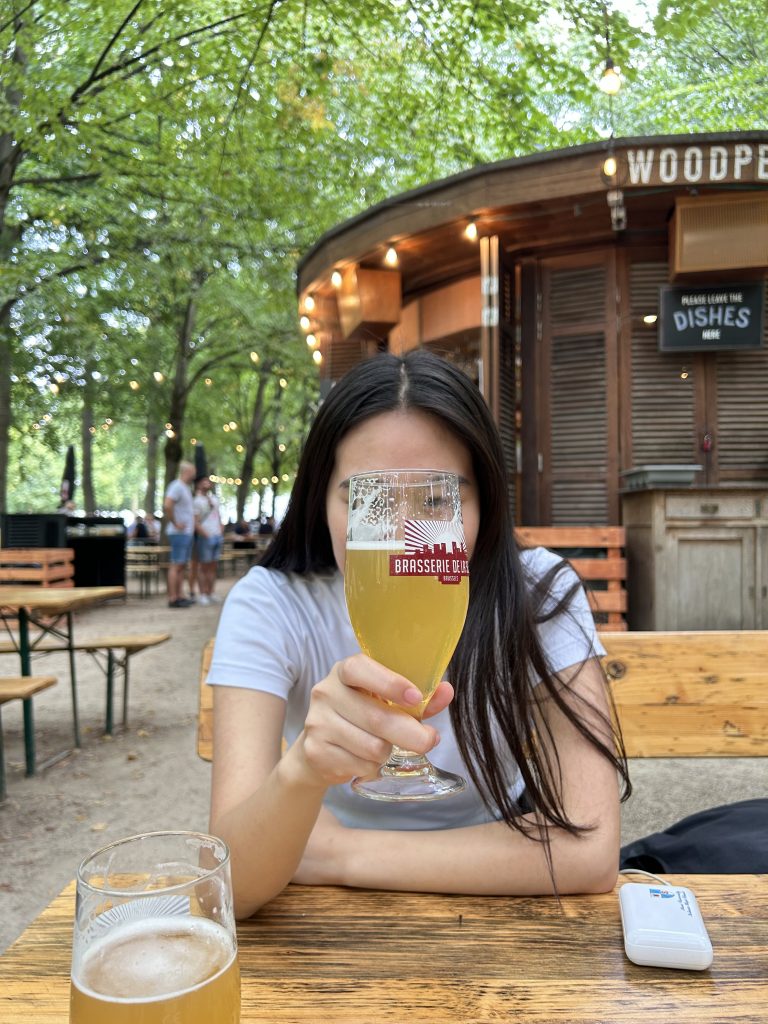
Lille, located near the France-Belgium border, is about an hour from Paris by TGV. In contrast to Paris, with its rows of white stone buildings, Lille is characterized by its many brick buildings. It’s a lively city with a large student population. The Jardin Vauban, near the university, is always bustling with students, and I visited it almost every day. While Lille was convenient and lively, it didn’t have the hectic atmosphere of Paris, so I felt very comfortable there.
What was the most remarkable or striking experience?
It was how kind the people of France were. I had heard stories such as “French people are cold” and “they won’t respond if you speak to them in English,” but I didn’t find that to be the case. Whether I was carrying a large suitcase on the Paris Métro or struggling to lift it into the overhead compartment on the TGV, people always helped me.
I also met an elderly French couple while traveling in Italy. We chatted on the spot, mixing English and French. We still exchange letters to this day.
What difficulties or challenges did you encounter while studying abroad? How did you overcome them?
A mouse appeared in my dorm room. It had probably come in through a hole in the wall, and I had a hard time asking the dorm management company to fix it in French. No matter how many emails I sent, I didn’t receive a response, so a friend who lived next door and I handled it ourselves. In fact, this event strengthened our bond, making it a cherished memory of our time in France.
In what ways do you feel you’ve grown, or how has your mindset changed looking back at your time before and after studying abroad?
I think I’ve become better at dealing with setbacks and unexpected events. As a perfectionist, I prefer things to go according to plan. However, while studying abroad, I adopted the mindset that it’s lucky if things go well. As a result, I believe I’ve gained the strength to take on new environments and challenges.
How do you think your study abroad experience will influence your future life?
I never even considered this before going abroad, but now I’m thinking about pursuing a graduate degree in France after I graduate from university. I’ve come to love life in France. The academic frustration I experienced while studying abroad has sparked a desire to further my studies—I want to take on the challenge again. Studying abroad has broadened my horizons and the options available to me in the future.
What advice would you give to people considering studying abroad?
Although preparing for your trip and adjusting to life abroad can be challenging, I’m confident that studying abroad will be a valuable experience. If you wait until you’re perfectly prepared, you might never go. I decided to go for it, even though my French and practical skills weren’t quite there, but I did just fine. No matter what challenges you encounter, whether they’re unexpected or unplanned, you’ll have the tools to overcome them once you arrive. If you’re feeling unsure, my advice is simply to go for it.