

Finding Belonging Beyond Borders: Lessons on Diversity from Seattle
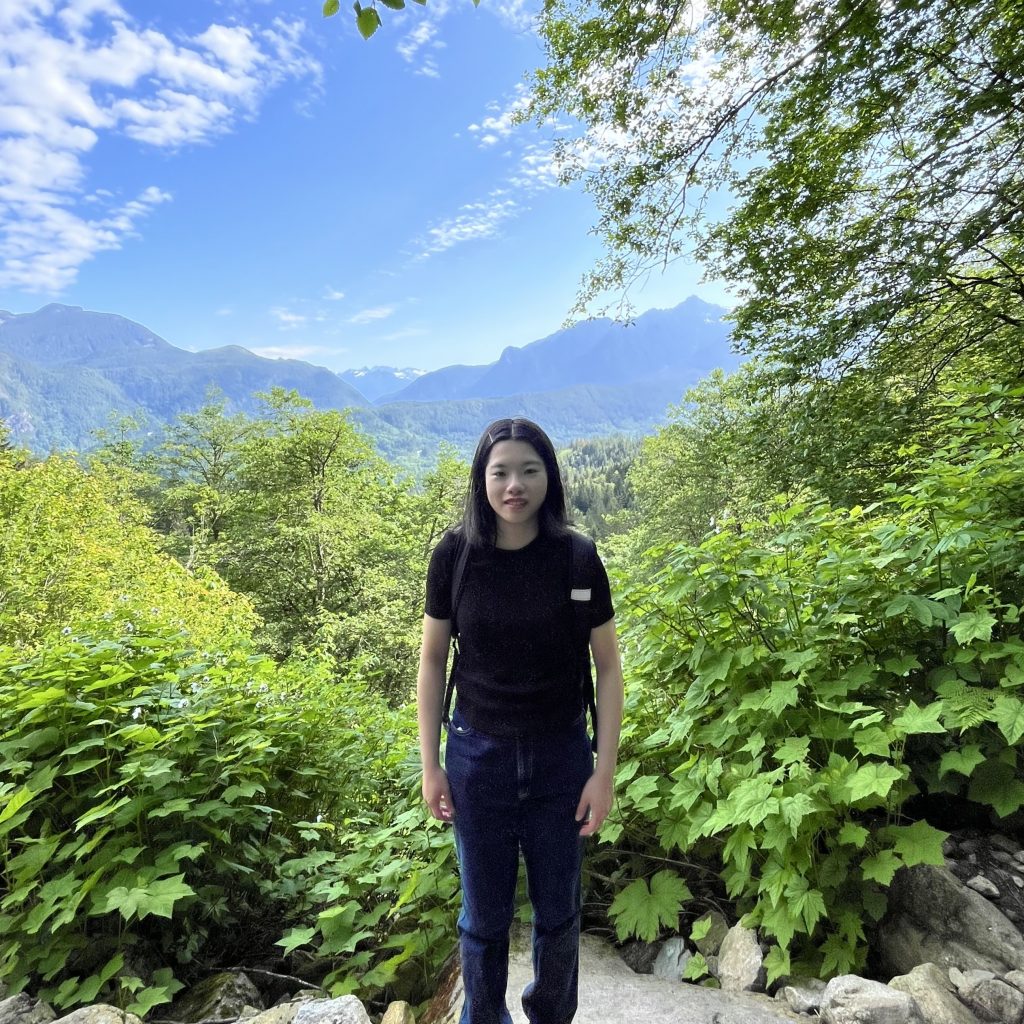
Name: Yasuha Watanabe
Faculty/Department and Year (at the time of study abroad): Faculty of Humanities, Department of English Studies, 3rd year at departure / 4th year upon return
Study Abroad Period: September 2024 – June 2025
Destination (Country/University): Seattle University, USA
Type of Study Abroad: Exchange Program



Every year, many Sophia University students study abroad in countries all over the world outside of Japan. How did they manage to find their way through the differences in languages, cultures, and lifestyles? Here are some voices of students who studied abroad.
What inspired you to study abroad?
I wanted to improve my English skills and broaden my perspective so that, if I become an English teacher in the future, I can better understand and support students from diverse backgrounds. To achieve this, I felt it was important to immerse myself in an English-speaking environment where Japanese was not commonly spoken and to experience life as a minority myself.
How did you choose your study abroad destination and university?
I wanted to study literature written by Native American and African American authors while also learning about the social and historical contexts behind their work, which led me to choose the United States. I also felt that Seattle, known for its racial, ethnic, and gender diversity, would be the perfect place to further broaden my perspective.
Were there any concerns you had before studying abroad?
Since it was my first time living as a minority and as an international student from Japan, I worried about whether I would be able to fit in. However, both professors and local students were patient and supportive, even when my English was not perfect, both inside and outside the classroom.
How did you prepare for studying abroad, and what do you wish you had done more of?
To make up for my limited English skills and keep up with classes, I studied American literary history in greater depth, building on what I had previously learned at Sophia University. Looking back, I wish I had improved my conversational English skills and gained more knowledge about related social issues beforehand, as it would have enriched both my academic experience and personal interactions.
What was the atmosphere like at the university and among students?
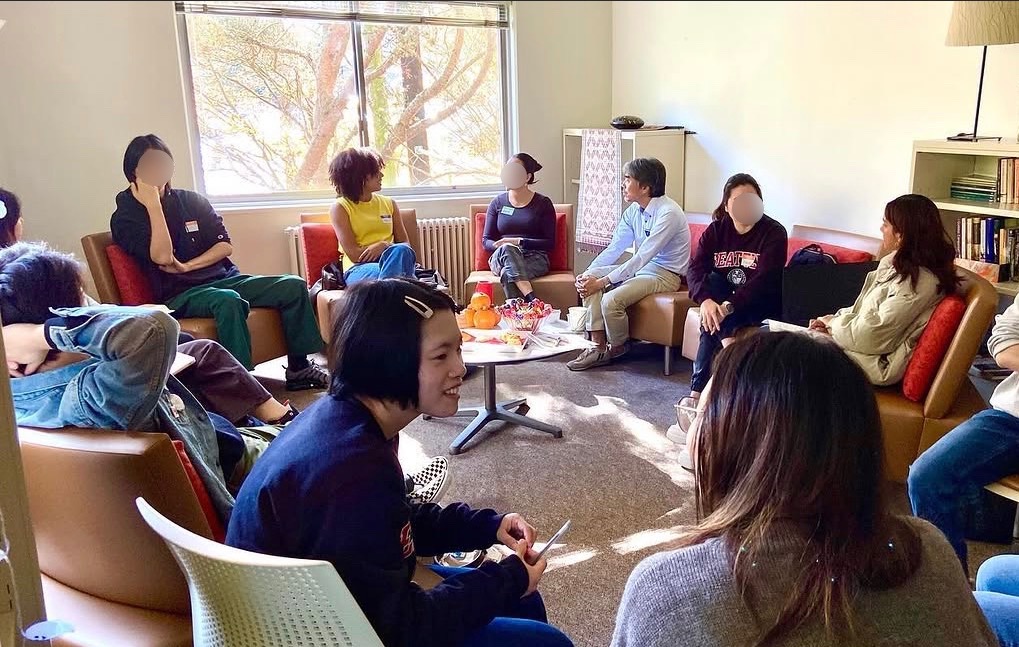
The professors were incredibly kind and always responded thoughtfully to my questions. Local students also respected my perspective as an international student. Through classes and extracurricular activities, I felt that the university fostered a welcoming environment where people were open-minded and respectful of diverse identities and backgrounds.
How did you build friendships during your time abroad?
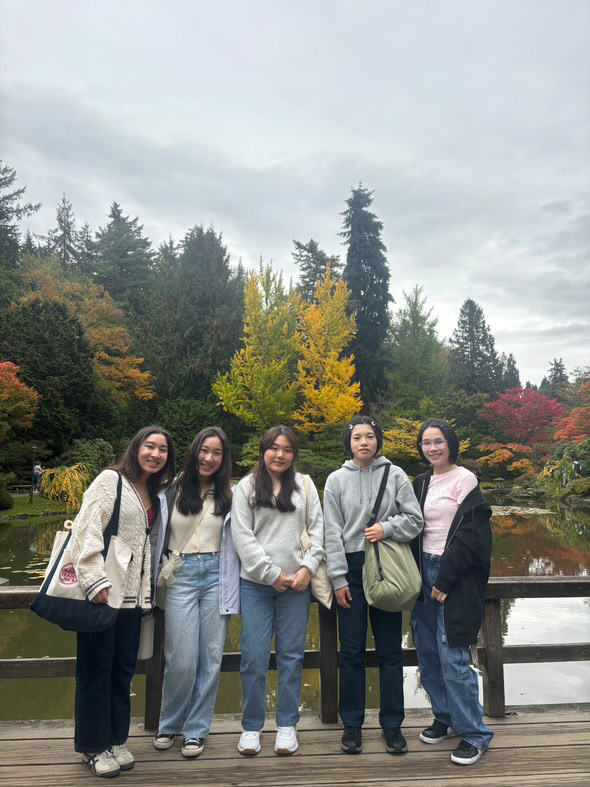
I connected with local students through orientation programs and club activities. I also became close with other international students through language classes, weekly lunch gatherings, and volunteer activities organized by the student center.
Were classes, coursework, and exams different from those in Japan?
In class, students were expected to actively share their opinions and contribute to discussions. In Japan, I often felt comfortable blending in with others, but in Seattle, unique and original perspectives were valued and even encouraged.
What extracurricular activity did you devote yourself to the most?
I joined a taiko drumming club and worked together with local students to create performances. To improve the quality of our performances, we discussed musical expression in depth and designed practice routines that included not only basic drills but also physical training.
What was the most memorable or eye-opening experience during your time abroad?
I was deeply impressed by how strongly people valued not judging others solely based on their social identities. For example, it was common for members of the LGBTQ+ community to introduce themselves using their preferred pronouns and express themselves freely through fashion and personal style.
What challenges did you face during your study abroad experience, and how did you overcome them?
Because of my limited English skills, I initially struggled to fully understand lectures and participate confidently in discussions. To overcome this, I prepared thoroughly before each class so that I can share my perspectives as a Japanese/international student that are unique. I also met with professors outside of class for them to understand my background then I felt more comfortable expressing my opinions in the classroom.
In what ways do you feel you grew or changed through studying abroad?
Experiencing life as a minority for the first time made me realize how fortunate and comfortable my life in Japan had been. Every act of kindness I received inspired me to become someone who can support and empathize with people from diverse backgrounds in the future.
How do you think this experience will influence your future?
My understanding of social identity deepened significantly, and I learned how important it is to stay proactive and to seek opportunities to expand my possibilities. Moving forward, I hope to continue supporting people with different values and backgrounds while remaining resilient in challenging situations.
Is there any message for students who are considering studying abroad?
Studying abroad offers opportunities to gain perspectives and experiences that are difficult to encounter in Japan within such a short period of time. If you want to expand your potential and contribute to creating a more open and inclusive society, I encourage you to take on the challenge.