



From October 5 to 27, Sophia University held the 26th Sophia University United Nations Weeks October 2026 under the theme “To consider our world and our future together through the activities of the United Nations.”
One of the University’s signature events, United Nations Weeks brings together university students, high school students, and members of the general public from Japan and abroad. This year’s program featured nine events addressing a broad range of global issues, including global health, peace mediation and conflict resolution, United Nations reform, science, technology and innovation, and careers in international cooperation. The events provided participants with opportunities to explore the challenges facing the international community and the efforts being made to address them.
2045: Toward a World Free from Infectious Diseases — The Power of Multilateral Cooperation to Protect Every Child’s Health —
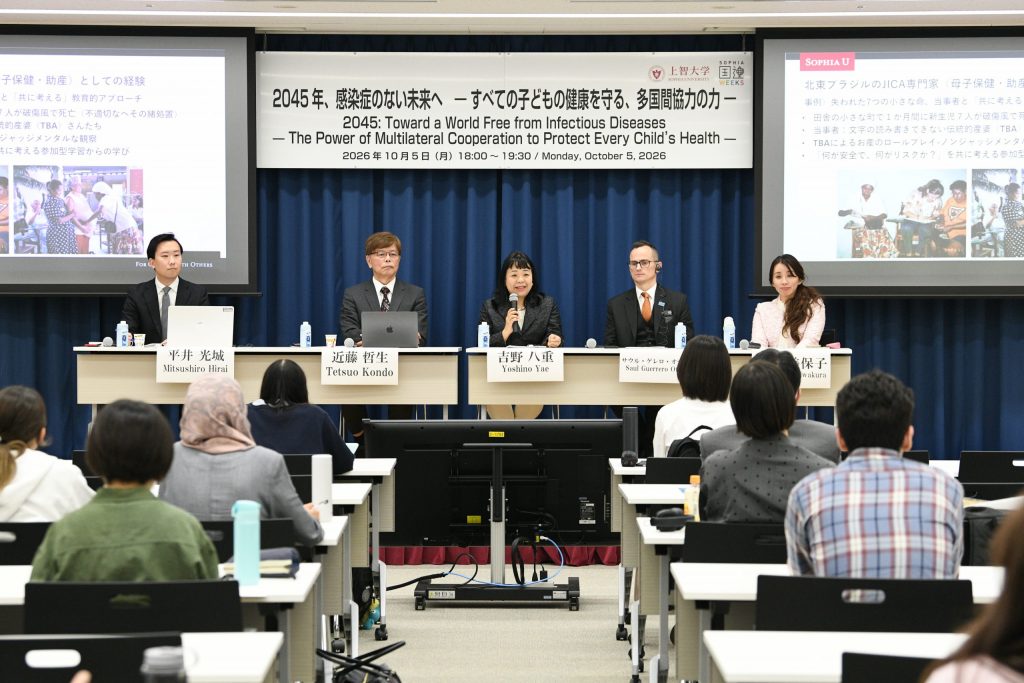
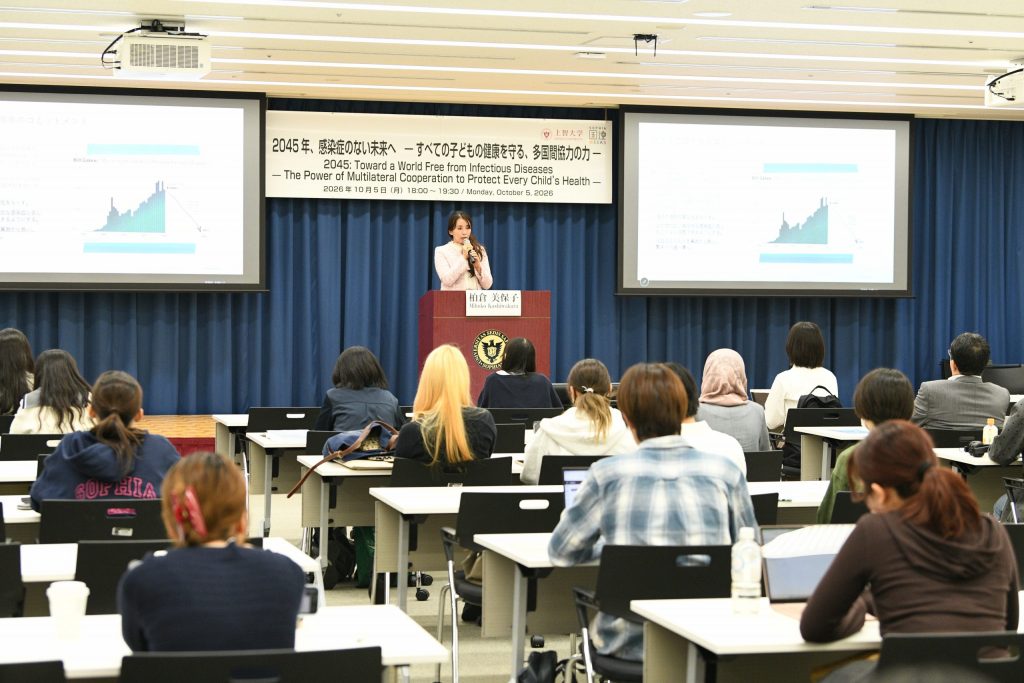
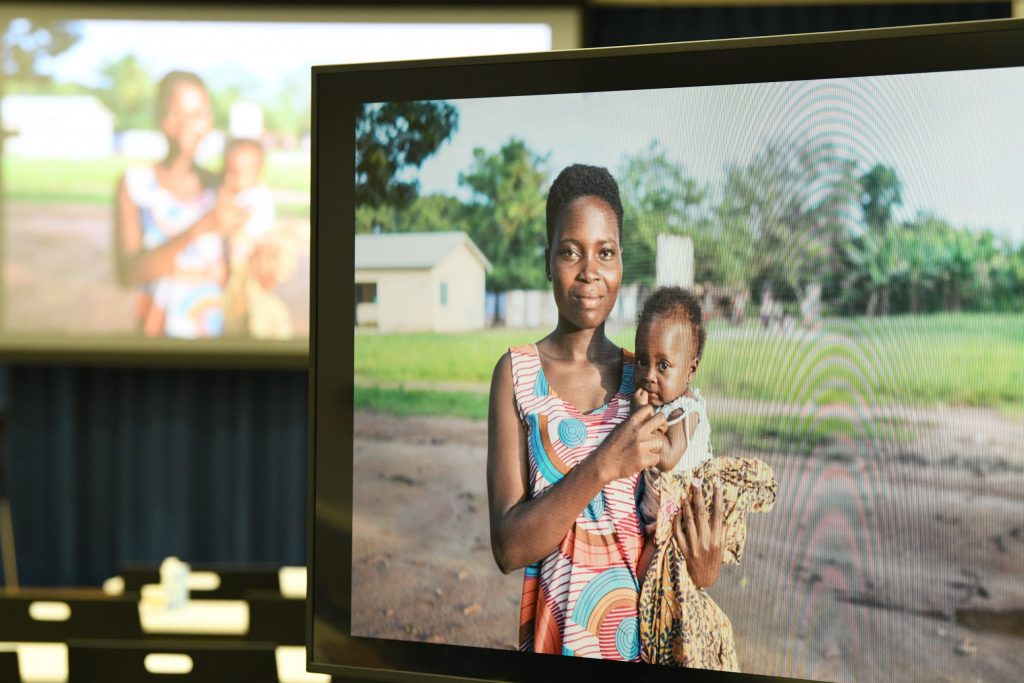
On October 5, Sophia University held a symposium in collaboration with the Gates Foundation and the United Nations Children’s Fund (UNICEF). The symposium explored challenges related to infectious diseases, maternal and child health, and child nutrition, as well as the international cooperation needed to safeguard children’s lives and health and achieve a world free from infectious diseases by 2045.
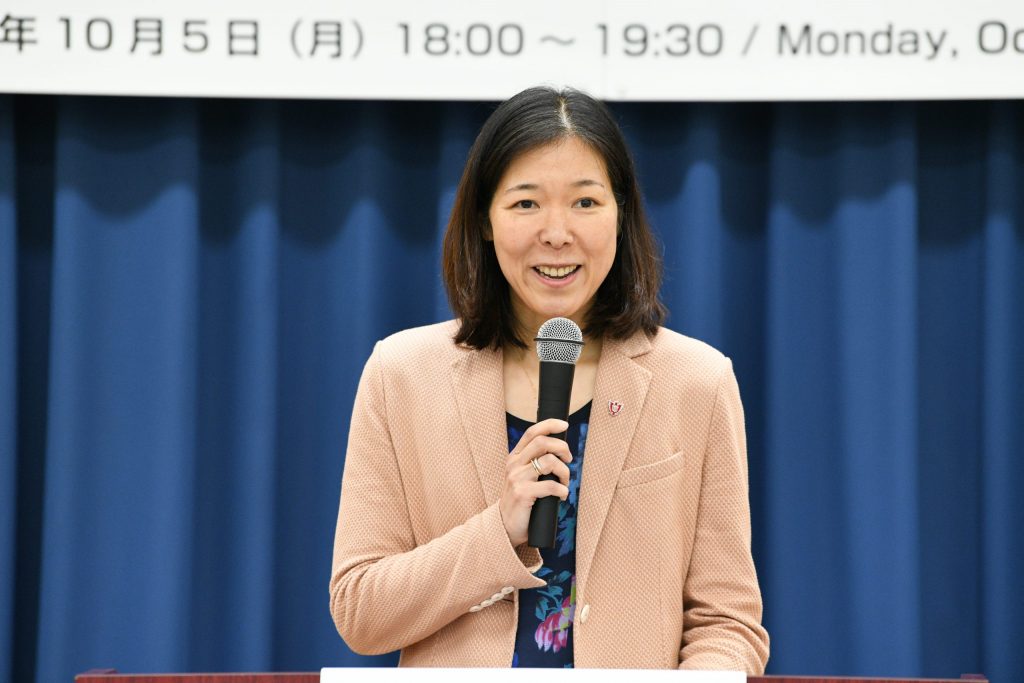
In her opening remarks, Professor Mariko Iijima, Vice President for Global Academic Affairs, highlighted disparities in access to protection, treatment, and care arising from socioeconomic inequalities and inequalities based on gender and nationality. She emphasized that advancing global health requires cooperation across national borders, organizations, and disciplines. She also encouraged younger generations to deepen their understanding of global challenges through dialogue with those around them and to actively participate in international exchange and cooperation.
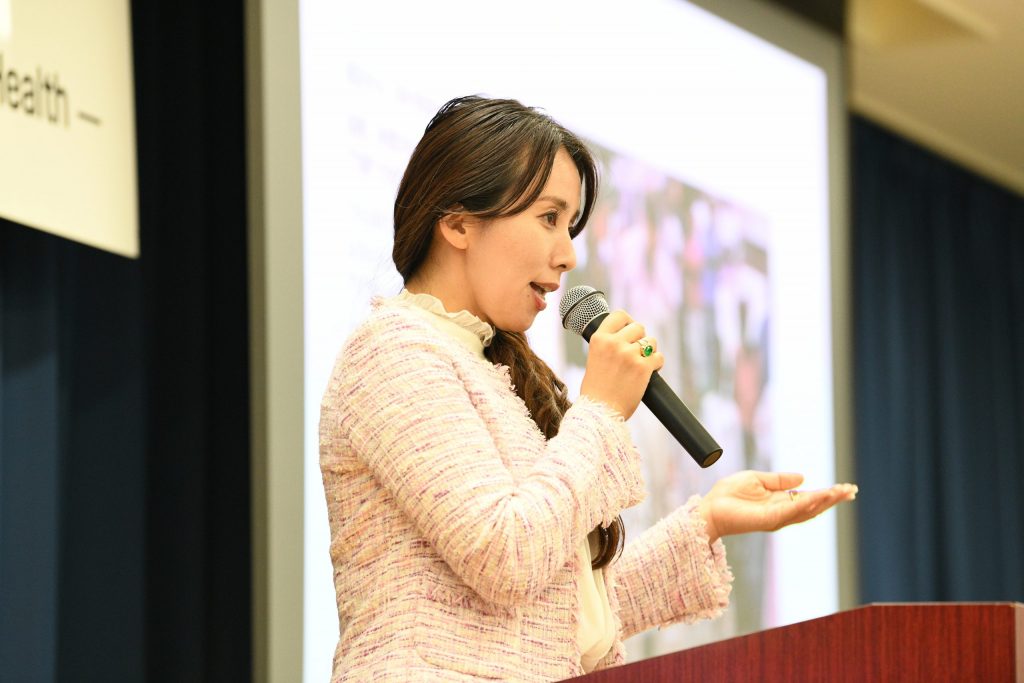
Mihoko Kashiwakura, Head of East Asia Relations at the Gates Foundation, then introduced the Foundation’s initiatives. Highlighting the reduction of preventable deaths among children under five as a key priority, she outlined efforts to advance research and development in vaccines, diagnostic technologies, and medicines, while ensuring that these innovations reach those who need them most. She also discussed initiatives to improve maternal and child health and nutrition, underscoring the vital role of multilateral partnerships, including Gavi, the Vaccine Alliance, the Coalition for Epidemic Preparedness Innovations (CEPI), and UNICEF, in combating infectious diseases and expanding access to vaccines.
During the panel discussion, Saul Guerrero Oteyza, Director of the UNICEF Asia Pacific Pillar Office in Tokyo, noted that child mortality had declined over the past 30 years but cautioned that continued progress could not be taken for granted. He emphasized that technological innovation alone is not enough and that sustained public engagement with social issues is equally important. Encouraging participants to remain engaged rather than indifferent, he stressed that taking an interest in these challenges is the first step toward meaningful change. He also highlighted the essential role of nutrition, alongside vaccines and medical treatment, in saving lives.
Associate Professor Yae Yoshino of the Faculty of Human Sciences, Sophia University, emphasized the importance of trusting local communities and recognizing their potential in international cooperation. She highlighted the contributions of individuals, including nurses, midwives, and mothers, and stressed the need to listen to the voices of those in the most vulnerable circumstances.
Professor Tetsuo Kondo, Director of the Sophia Human Resources Center for International Cooperation, drew on his experience working for the United Nations in Africa, including his involvement in Global Fund programs in Chad. He underscored the indispensable role of multilateral cooperation in combating infectious diseases.
The discussion, moderated by Mitsushiro Hirai, CEO of Professionals For Impact, Inc. and a consultant to the Gates Foundation, further explored how infectious disease prevention, nutrition, education, and technological innovation could be integrated to improve health outcomes. While discussing the potential of emerging technologies, including artificial intelligence (AI), the panelists also emphasized the importance of compassionate, people-centered support and care.
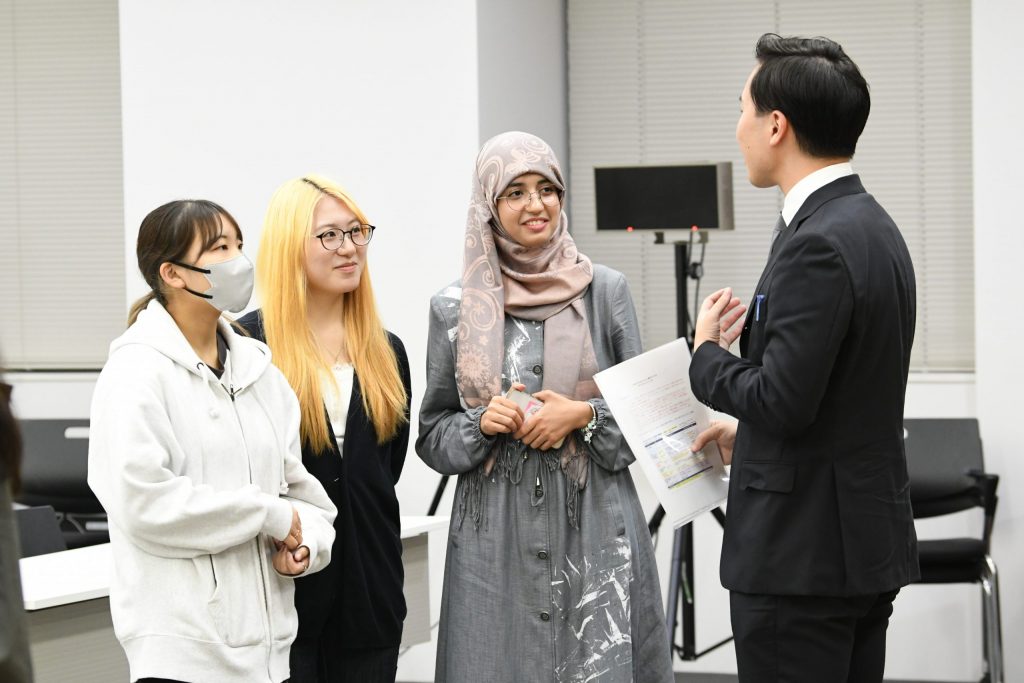
During the closing Q&A session, participants, including first- and second-year high school students, actively raised questions and shared their views, prompting a lively exchange of ideas. The panelists highlighted the importance of critically evaluating information and listening to the perspectives of those directly affected by social challenges.
The symposium provided an opportunity for participants to deepen their understanding of the potential and challenges of multilateral cooperation in achieving a world free from infectious diseases, while reflecting on the role everyone can play in shaping that future.
International Strategy for Science, Technology and Innovation
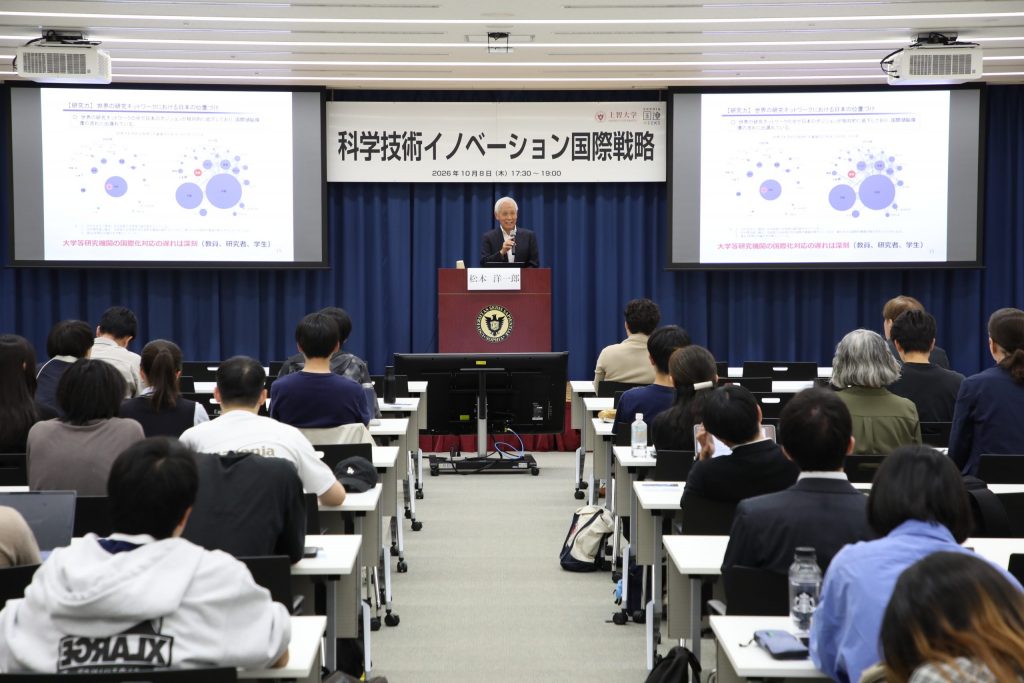
On October 8, Sophia University hosted a lecture titled “International Strategy for Science, Technology and Innovation.” Moderated by Professor Mitsuhisa Ichiyanagi of the Faculty of Science and Technology, the event featured Professor Yoichiro Matsumoto, Professor Emeritus of the University of Tokyo and former Science and Technology Advisor to the Minister for Foreign Affairs. He discussed changes in the international landscape of science and technology, Japan’s scientific and technological capabilities and international competitiveness, and the country’s future international strategy. The lecture attracted university students, faculty and staff, high school students, and members of the wider public, offering an opportunity to explore the relationship between science, technology, and the future of the international community.
In his opening remarks, Professor Masafumi Miyatake, Dean of the Faculty of Science and Technology, emphasized the critical role of science and technology in addressing global challenges. He stressed that both competition and co-creation are essential to advancing science, technology, and innovation. Referring to the opportunities and challenges presented by AI, he also encouraged younger generations to express their ideas proactively and think beyond conventional frameworks.
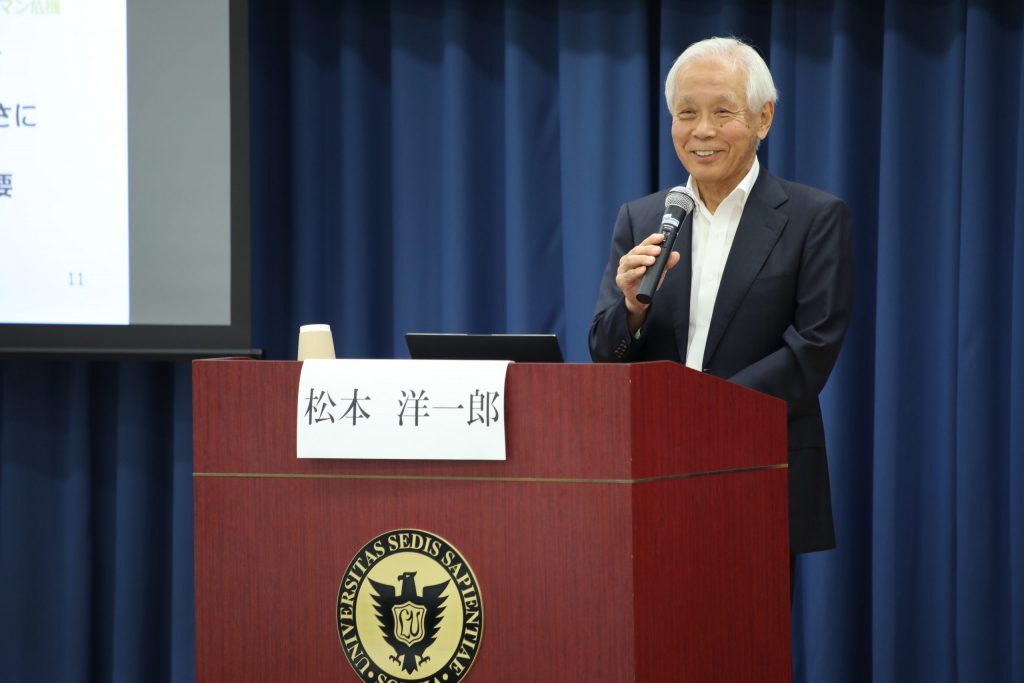
In his lecture, Professor Matsumoto observed that the world has entered an era of growing uncertainty, driven by challenges such as climate change, infectious diseases, declining birth rates and population aging, resource constraints, and geopolitical risks. At the same time, he explained that international competition is intensifying in advanced fields such as AI, biotechnology, quantum technology, and cognitive science, with countries increasingly placing science and technology at the center of their national strategies.
Turning to Japan, Professor Matsumoto identified stagnation in economic growth, research capabilities, and international competitiveness as major concerns. He also pointed to declining international mobility among researchers and a decrease in the number of researchers and students gaining experience overseas. Structural barriers to mobility between universities, industry, and national research institutions, growing administrative burdens unrelated to research, and declining enrollment in doctoral programs were among the factors he cited as weakening Japan’s scientific and technological foundations.
He further emphasized the importance of international collaborative research and overseas experience. Declining international exchanges, he warned, limit opportunities to stay informed about global research trends and can ultimately diminish the international impact of Japanese research. He stressed that encouraging researchers and students to gain experience abroad and fostering environments where people from diverse backgrounds can collaborate are essential to producing high-quality research and driving innovation.
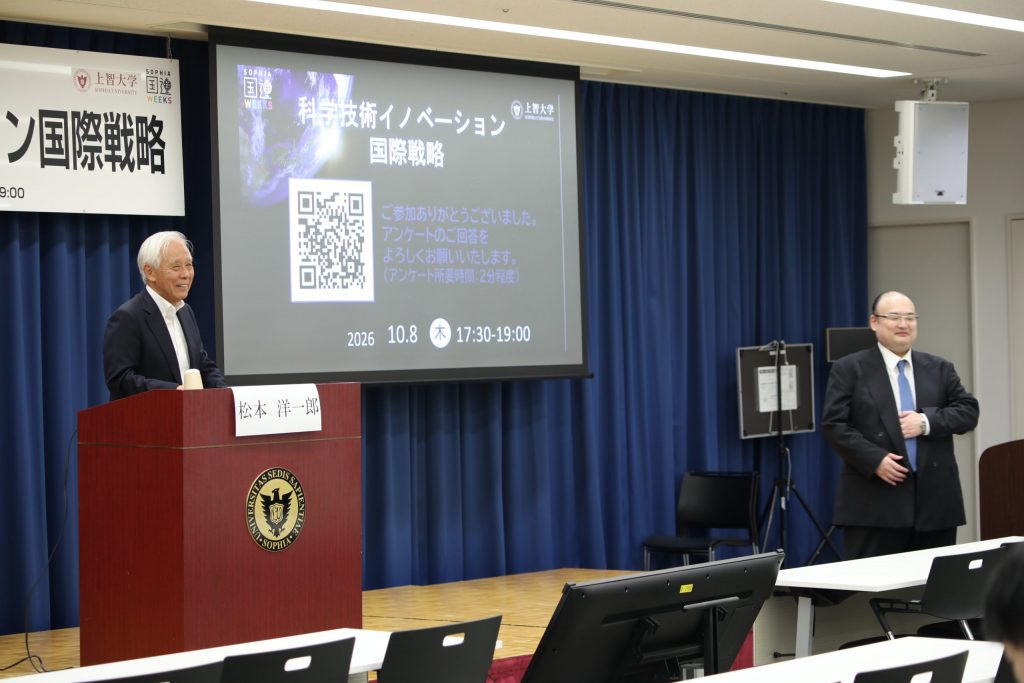
During the Q&A session, participants raised a wide range of questions concerning the Ministry of Foreign Affairs’ role in science and technology diplomacy, the strengths Japan should leverage, the impact of the weaker yen on research activities, and how students can prepare during their university years to pursue opportunities internationally.
Professor Matsumoto reiterated the importance of young researchers and students taking on challenges abroad and building professional networks in their host countries. Regarding support for doctoral students, he noted the expansion of financial assistance programs, overseas internships, and opportunities for international collaborative research, encouraging students to make full use of these resources.
In closing, Professor Matsumoto emphasized that advancing science, technology, and innovation requires networks that transcend national and organizational boundaries, together with co-creation among diverse stakeholders. He concluded by stressing that Japan’s future depends on research institutions, industry, government, and younger generations engaging with the international community to generate new knowledge and value.
UN Weeks is held twice each year, in June and October, providing opportunities for participants to deepen their understanding of the complex challenges facing today’s international community. By learning from experts and engaging in meaningful dialogue, the program encourages participants to develop the knowledge and perspectives needed to contribute to solving global issues. Sophia University remains committed to continuing UN Weeks as a forum where students and the wider public can explore international affairs and work together toward a more sustainable and peaceful future.


