
Facing Diverse Perspectives: How My Time in Chile Reshaped My Mindset
Name: Ryotaro Sakata
Faculty/Department and Year (at the time of study abroad): 3rd-year student, Department of Hispanic Studies, Faculty of Foreign Studies
Study Abroad Period: March 2024 – December 2025
Destination (Country/University): Pontifical Catholic University of Chile, Chile
Type of Study Abroad: Exchange Program



Every year, many Sophia University students study abroad in countries all over the world outside of Japan. How did they manage to find their way through the differences in languages, cultures, and lifestyles? Here are some voices of students who studied abroad.
Q. What motivated you to study abroad?
As someone majoring in Latin American politics, I felt it was only natural to step outside my original “Japanese” perspective and experience life in the Hispanic world firsthand. Since entering Sophia University, studying abroad had always been something I considered essential.
Q. How did you choose your host country and university?
Although Chile transitioned from military dictatorship to democracy more than 30 years ago, the country is still often described as socially divided. I chose Chile because I believed interacting with people living within such a context would offer new perspectives for my research in Latin American politics.
Q. Did you have any concerns before studying abroad?
I had heard that Chilean Spanish is so unique that even native speakers from other Spanish-speaking countries sometimes struggle to understand it. Because of that, language was my biggest concern.
Also, Chile is still a relatively uncommon destination for international students, so there was limited information available. Both my parents and I felt anxious at times because of the uncertainty.
Q. What preparations did you make before studying abroad? Is there anything you wish you had done differently?
I came to realize that conversational language skills and the language skills required in academic settings are completely different. Grammar, for example, is often underestimated, but it cannot simply be picked up naturally after arriving abroad. With that in mind, I studied systematically beforehand, and as a result, I had very few academic regrets once I arrived in Chile.
Q. What was the atmosphere like at the university and among students?
The university’s main campus was enormous—locals even described it as “like a small city.” Because of Chile’s complex social and political situation, I found local students to be highly politically aware and socially engaged.
Q. How did you build friendships?
I met most of my friends through my dormitory. On weekends, we would go on small trips together or cook dishes from our respective countries for one another. Those experiences helped us build friendships that continue even now.
At first, I joined the Japanese club at the university, but I eventually stopped participating because I felt it did not align with either my academic or personal interests.
Q. Were there any differences in classes, coursework, or exams compared to Japan?
People often imagine overseas universities as places full of active discussions among students, but in reality, many classes were lecture-based. There were also fewer reaction papers and group discussions than I had expected.
Q. Outside academics, what did you devote the most energy to?
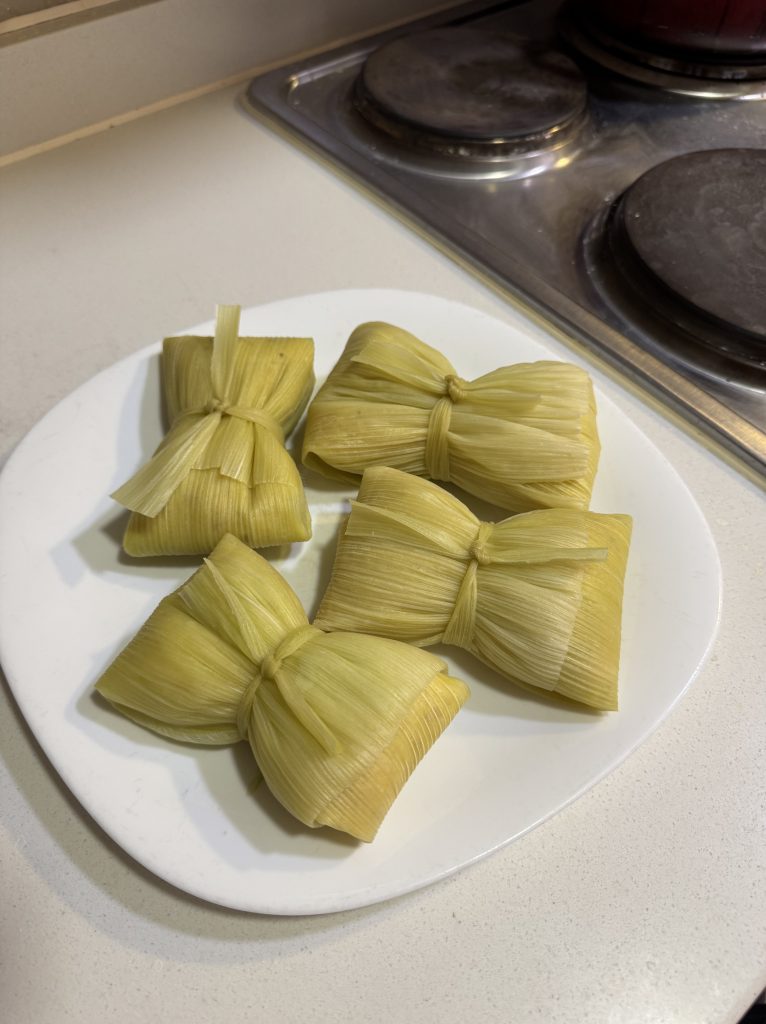
It may sound minor, but I became known in the dormitory as the “resident chef” because I cooked so often for everyone (laughs). Sometimes I made Japanese food, while other times I cooked Chilean dishes and asked local Chileans—who tend to be quite critical about food—for their honest opinions. Through food, I was able to form many meaningful friendships.
Q. What unique attractions or discoveries did you experience during your study abroad?
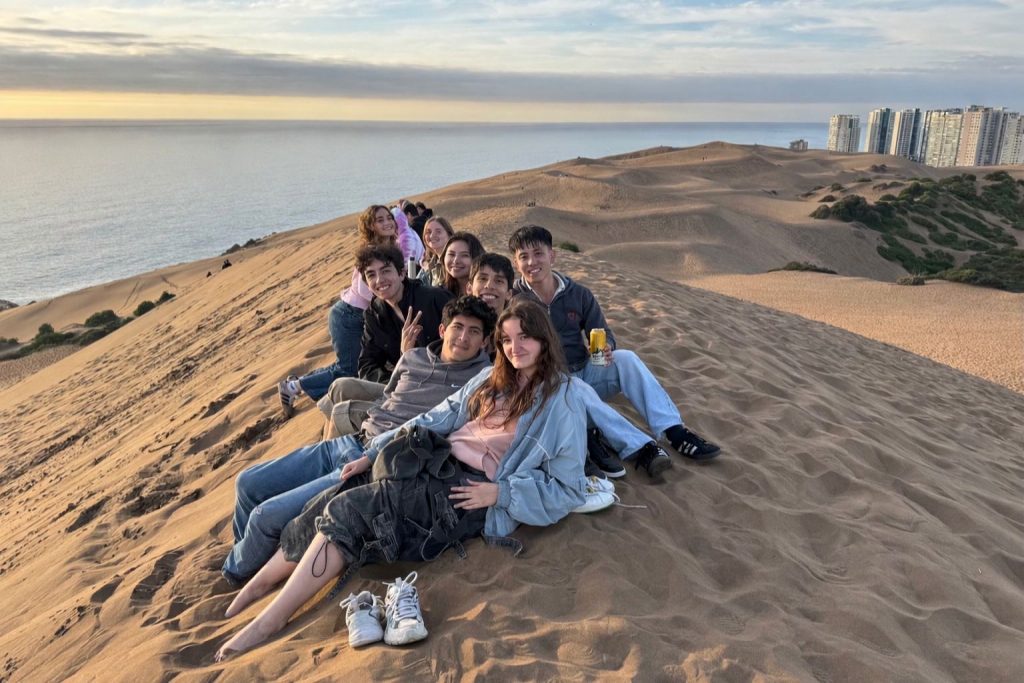
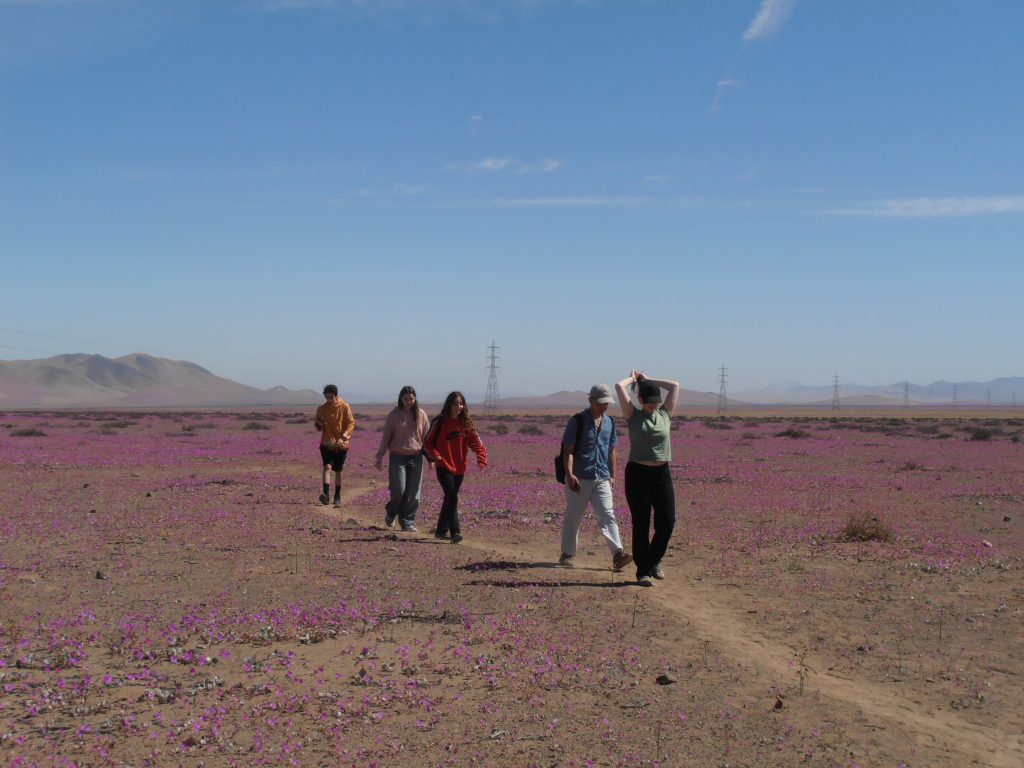
Without question, Chile’s extraordinary natural diversity impressed me the most. From the Atacama Desert in the north—the driest desert in the world—to central beach resorts, the freezing landscapes of Patagonia in the south, and even Easter Island with its tropical climate, traveling across Chile almost feels like traveling across the entire world.
Q. What was the most memorable or shocking experience during your time abroad?
While traveling in Buenos Aires, Argentina, I witnessed events related to the political situation in Venezuela. The city’s iconic Obelisk was illuminated in the colors of the Venezuelan flag, while many Venezuelan refugees gathered to celebrate. It became a profound moment for me to reflect on the meaning of democracy.
Q. Did you face any major difficulties or troubles during your study abroad? How did you overcome them?
I became involved in a serious housing contract dispute. Fortunately, it was an extremely rare case, so future students should not worry too much.
At first, I tried to resolve the issue on my own, but eventually I felt unsafe and contacted the Japanese embassy. They supported me wholeheartedly until the day I returned home.
Q. In what ways do you feel you changed or grew through studying abroad?
Many of my friends and I shared strong interests in politics and history, so we often discussed sensitive topics. Sometimes our opinions clashed. What I realized through those experiences was that no matter how uncomfortable or disagreeable someone’s opinion may seem, it is impossible to truly understand an issue without first understanding the background that led them to those beliefs.
This realization fundamentally changed the way I think, and I believe it will continue to influence both my future research and personal relationships. In fact, for my graduation thesis, I plan to write about a Chilean political group that I once felt a strong resistance toward.
Q. Do you have a message for students who are unsure about studying abroad?
There are many reasons people hesitate to study abroad, such as job hunting or financial concerns. However, because this stage of life is such a formative and emotionally sensitive period, studying abroad can undoubtedly provide entirely new perspectives and possibilities for the future. I truly encourage fellow students to consider it positively.