

How Overseas Experiences Helped Us Find Our Own Path

Wataru Ueda, 4th year student, Department of International Legal Studies, Faculty of Law (accepted a job offer from Deloitte Tohmatsu Venture Support Co., Ltd. (DTVS))
Kei Takenoya, 3rd year student, Department of Legal Studies of the Global Environment, Faculty of Law



After taking a one-year leave of absence and completing an overseas internship, Wataru decided on his future career path, while Kei is still in the process of reflecting on his own future. From their experiences abroad to their thoughts on job hunting, they share candid insights into their student lives. Their conversation is sure to offer hints you can take with you starting tomorrow.

“Making my own choices in life—through sports, solo travel, and job hunting (Kei)”
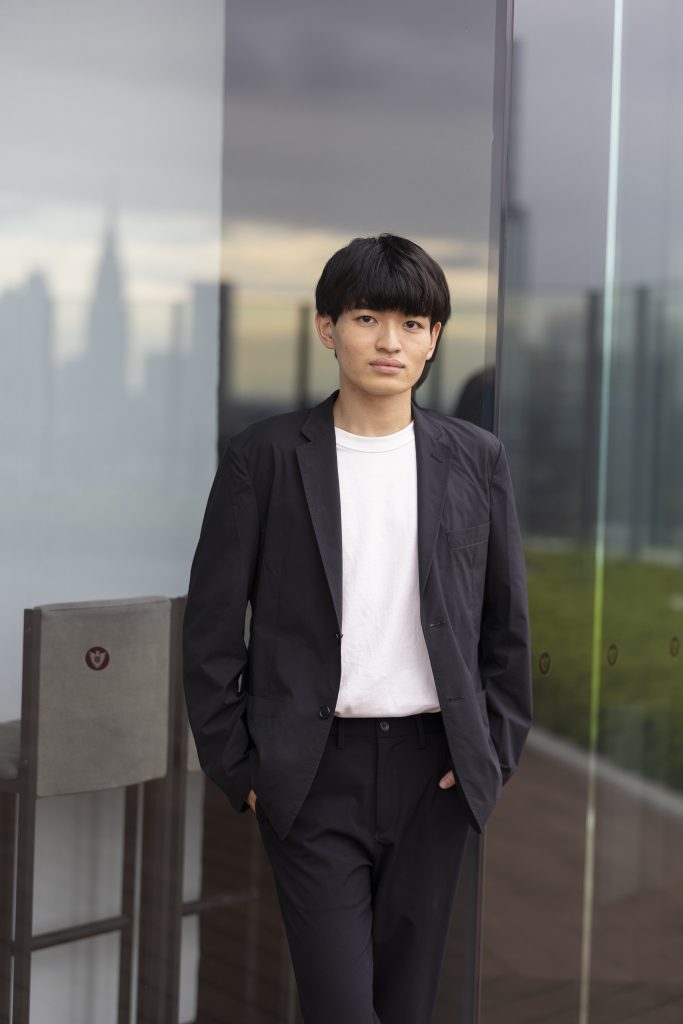
Kei: At university, I’ve been focusing on my table tennis club and traveling abroad on my own. What about you?
Wataru: I played soccer through high school, but after entering university, I felt I couldn’t keep going like that. I felt things wouldn’t turn out well if I continued the same way, so I decided to take a leave of absence. The turning point was a solo trip to the United States in October of my second year. I met a Russian high school student who told me about being separated from friends due to political conditions and war, which made me realize how fortunate I was to have a Japanese passport. Instead of taking the more traditional study-abroad route, I chose to pursue an overseas internship. What made you start traveling on your own?
Kei: Up until high school, I felt like I was just following a predetermined path, and because I wasn’t making decisions for myself, I couldn’t focus on my studies and felt I wasted a year. That was the first time I realized how important it is to take ownership of your life. At university, I committed myself to solo travel as a way to actively shape my own future, and I’ve visited more than 20 countries.
Wataru: That’s great! Did you gain a lot from being abroad?
Kei: I always stay in hostels because I want to interact with people my age. Many students I met around the world were already thinking seriously about their futures and the issues facing their countries.
Wataru: Right. In many places, students start internships from their first year of university, and studying hard is simply taken for granted.
Kei: Hearing those voices directly made it feel much more real. What was your overseas internship like?
Wataru: I worked for about six months at a Singapore-based investment firm that focuses on revitalizing Japanese restaurants overseas. Many of the restaurant staff in Singapore were from Malaysia, and since English wasn’t anyone’s first language, communication was genuinely difficult. To earn their trust, I went to the restaurants every day to help with cleaning and even made signs myself. There was a lot of hands-on, unglamorous work and unexpected tasks, but I was impressed that my supervisor said he was “having fun” even during the busiest times, and I truly respected him.
Kei: Through my solo travel experiences, I’ve developed an interest in sharing Japan’s advanced technologies with the world, and I’m also interested in foreign-affiliated companies. But for now, I’m still keeping my job search fairly open.
Wataru: I feel the same way about wanting to bring good things from Japan to the world. Job hunting feels like the first major decision in life that can really shape your future, so it’s natural to feel anxious and scared. That’s exactly why I think it’s worth taking seriously.
Kei: It does feel different from the decisions we’ve made up until university—it feels like life can really branch out. What was job hunting like for you?
Wataru: What I found interesting was getting to see the behind-the-scenes work of professionals through internships. What made it tough was the sheer level of uncertainty. There are no fixed rules—it’s very much an information-driven process. If possible, surround yourself with a small group of highly motivated people and work through the process together. Unlike entrance exams, where results show clearly in numbers, job hunting really reflects how you’ve lived your life.
Kei: I keep in touch with people I met through internships, and because everyone has access to different information, it’s made me realize again how beneficial it is to work together.
“I want to work somewhere that believes in me—and where people truly enjoy their work (Wataru)”
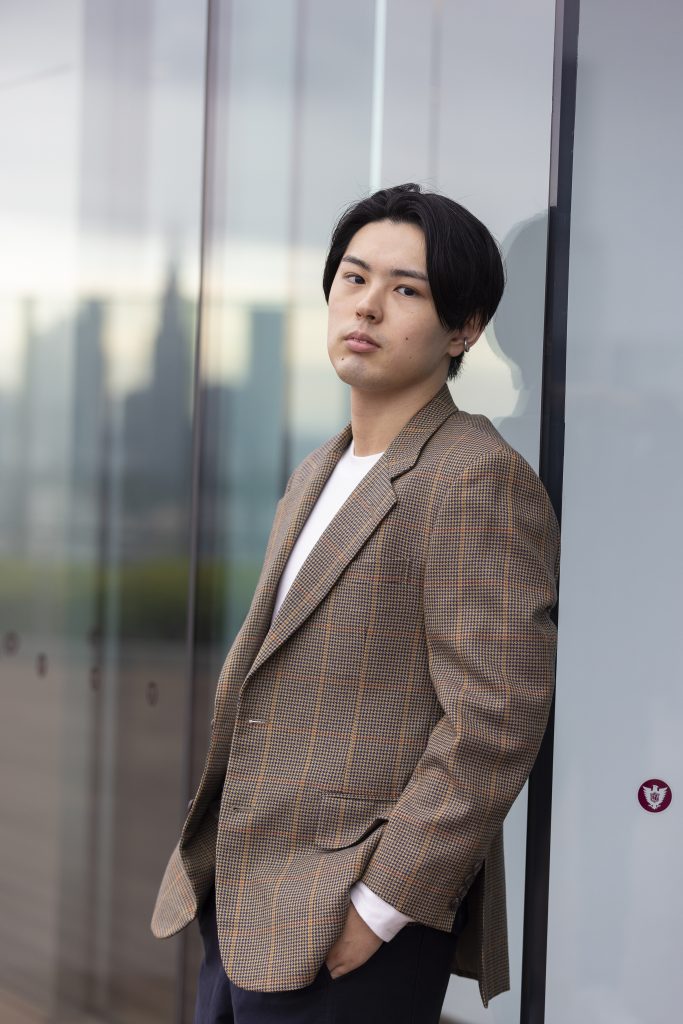
Wataru: It’s important to improve yourself so you can build cooperative relationships not only with Sophia students but also with students at other universities. The network you build during job hunting can become a real advantage once you enter the workforce. What are you prioritizing in your job search?
Kei: One thing is the growth environment. I’m currently serving as captain of the table tennis club, and taking on greater responsibility has helped me grow tremendously. That’s why I pay close attention to how much flexibility there is and the scale of the projects involved. Another important factor is the people I’d be working with—people I respect and genuinely enjoy spending time with.
Wataru: I wanted to work with people who are highly motivated and really enjoy what they do.
I also strongly relate to valuing the scale of projects. If I’m going to do something, I want it to be something big—with a company that believes in me and gives me opportunities to take on challenges.
Kei: Through my experience in the table tennis club, I’ve come to feel that when you take ownership and work proactively, that attitude carries over into your job, leading to a sense of fulfillment and enjoyment. What ultimately led you to decide on your employer?
Wataru: The biggest factor was that everyone genuinely seemed to enjoy their work. Also, DTVS has declared its goal of becoming Asia’s number one innovation firm by 2030, and I felt it was a place where people would support me when I wanted to take on new challenges. Personally, I think creating another major company yourself is more interesting than making an already large company even bigger.
Kei: Right now, I’m looking at companies where I can work on a global scale. However, when I think in terms of growth environment, it feels like any industry could be an option. Because I haven’t been able to clearly articulate what I want to do, my understanding of individual companies hasn’t deepened, and I’ve ended up broadening my options in an unproductive way.
Wataru: A lot of people try to cover everything and end up focusing on things that aren’t really relevant to them. Once you figure out what’s truly important to you, making decisions becomes much easier.
Kei: The points I should really hold on to for myself… that’s exactly what I’m struggling to pin down.
Wataru: Some foreign-affiliated companies don’t use English very much, while on the other hand, some Japanese companies may offer opportunities for overseas assignments. If you want to work globally, I think digging deeply into what “global” means to you personally will bring you closer to the companies you want to work for. There are many job-hunting schools these days, but I didn’t want people to be swayed or pressured by hype, so I started a job-hunting support group focused on foreign-affiliated companies to share practical, fact-based information about the job search.
Kei: That’s very helpful. What kind of “facts,” for example?
Wataru: Things like how job hunting has started earlier, with some students beginning as early as their second year, or how the information you need changes depending on the company you apply to—those are facts it’s good to be aware of. Because I found that people who don’t know each other often speak more openly about job hunting, I also organized networking events.
Kei: After hearing your story, I realized that although there is no single right answer when it comes to job hunting, I want to take action without holding back and put in my best effort. I don’t know how it will turn out, but I want to see it through to a point where I can feel satisfied.
At the same time, this is my final year in the club, so I want to finish that chapter of my life with no regrets.
Wataru: To start with, I want to become an adult who can give younger students a moment that truly changes their lives through a project I’m working on with friends—including students from other universities—to share traditional Japanese crafts with the world. At DTVS, I’d also like to get involved with supporting the launch of new business initiatives at major corporations, as well as helping innovative, globally competitive startups compete on the global stage.
※Please note that the information in this article is current as of October 2025.