

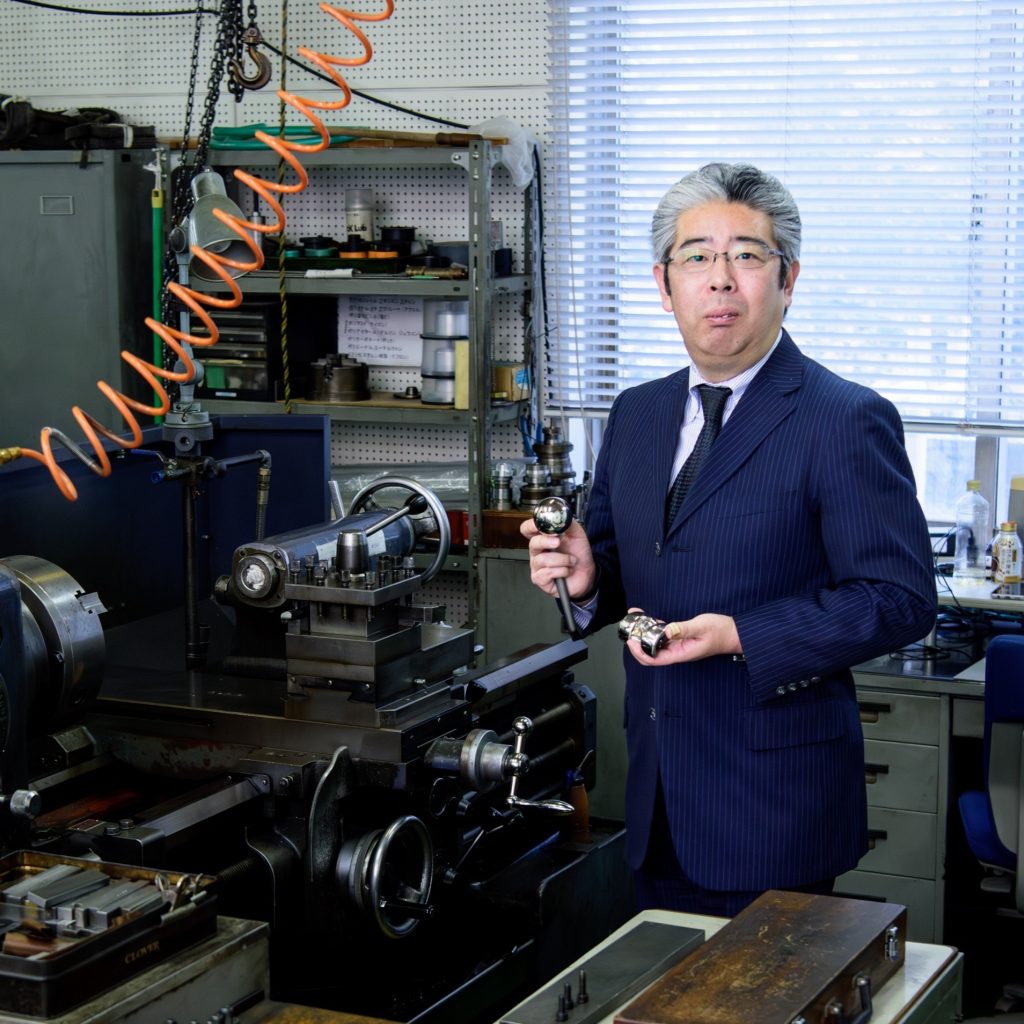
Noriyuki Hisamori
Professor
Department of Engineering and Applied Sciences
Faculty of Science and Technology



Today, people can live to 100 years old. Properly functioning knees, hips, and other joints are essential for leading active lives at any age. Professor Noriyuki Hisamori from the Faculty of Science and Technology researches and develops safe and durable materials for sustainable artificial joints to replace knees and hips that wear out with age.
I develop biomaterials for advanced medical technologies, specializing in evaluating material properties and developing testing methods for artificial joints. In particular, for many years, I have been working on the development of titanium alloys capable of bearing substantial weight for use in artificial knee and hip joints.
An artificial knee joint is a medical device put into a human body to replace deformed knee joints. It needs to be durable and safe as it bears substantial weight. Long-lasting materials that can be used with peace of mind are needed as inspection and repair are not easily performed once implanted in the body.
When I was a student, an artificial knee joint would last about 10 years. Today, it has been extended to around 20 years due to advancements in surgical techniques and materials, but that is still not enough. People are living longer, and surgery is generally postponed until patients are over 60 years old.
My goal is to create artificial joints that can be used by patients at an earlier age for longer periods with peace of mind. We can extend the time they spend leading comfortable lives if we reduce the time they spend enduring pain.
Creating perfectly fitting artificial joints using 3D printers
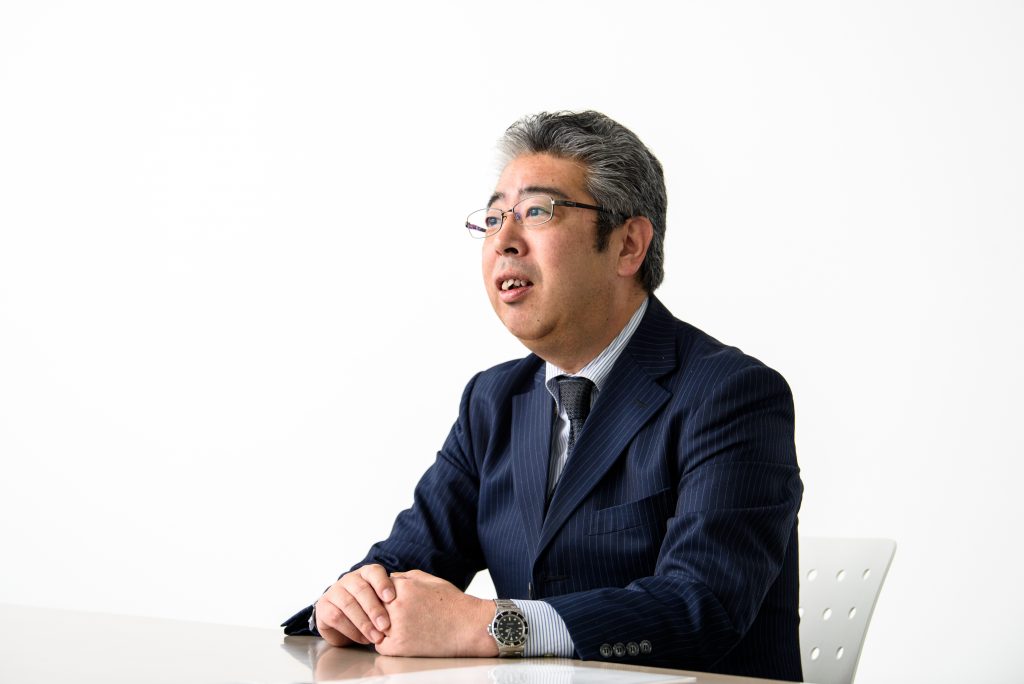
This is why I am currently working on research that uses 3D printers to create custom-made artificial knee joints. Most artificial joints in use today are manufactured in Europe and the United States and often have sizes and shapes that just do not provide an ideal fit for Japanese patients. In the first place, the size and shape of joints vary from person to person. If we can create something that perfectly fits each person, it can be used without discomfort for a long period of time.
Instead of the traditional method of pouring molten metal into molds, joints made using 3D printers involve layering titanium powder melted by lasers or electron beams. This changes the properties, durability, and characteristics of the materials produced. We are collecting and analyzing data on the strength, wear, fatigue, and safety of these materials. Our goal is to commercialize this technology within 10 years.
Collaboration between medicine and engineering for practical research applications that benefit society
To advance this research, I have been conducting joint research with the Orthopedic Surgery Department at Keio University Hospital for over 30 years. At first, confusion sometimes arose as doctors and engineers use different terminology and approach problems from different perspectives. However, our shared belief of wanting to improve patients’ quality of life serves as the foundation for mutual trust. Today, they look for me when challenges arise at clinical frontlines.
When I hear positive feedback about commercialized products, I feel satisfied for having contributed to society. Going forward, I want to create an environment that leverages Sophia University’s status as a multidisciplinary university to facilitate art-science collaboration on medical themes. Medicine is related to various fields, such as nursing, psychology, law, and economics. I hope to create opportunities for interdisciplinary learning with students.
My research motto is “Do it right.” Cutting corners may still yield results, but the data will not be reliable. I believe the only way to achieve results that benefit society is by honestly following proper procedures while confronting unknown areas. It is definitely possible to create an artificial knee joint that can be used for 50 years. As an engineer dedicated to practical research applications, through medicine, I hope to benefit society using my research results.
The book I recommend
“Okareta Basho de Sakinasai”(Bloom Where God Has Planted You)
by Kazuko Watanabe, Gentosha

Anyone may feel confused at times and have sleepless nights, even educators, researchers, and medical professionals. At such times, this book helps to console, calm, and bring peace to your mind, even if just a little. People can shine under any circumstance.
-
Noriyuki Hisamori
- Professor
Department of Engineering and Applied Sciences
Faculty of Science and Technology
- Professor
-
Graduated from the School of Engineering, Kogakuin University and received his Ph.D. in Engineering after completing the doctoral program in Industrial Chemistry at the university’s Graduate School. Took on the positions of assistant professor and associate professor at the Department of Engineering and Applied Sciences, Faculty of Science and Technology, Sophia University before assuming his current position in 2018.
- Department of Engineering and Applied Sciences
Interviewed: November 2024