

St. Aloysius Hall: Sophia University’s First Student Residence and a Place of Personal Growth
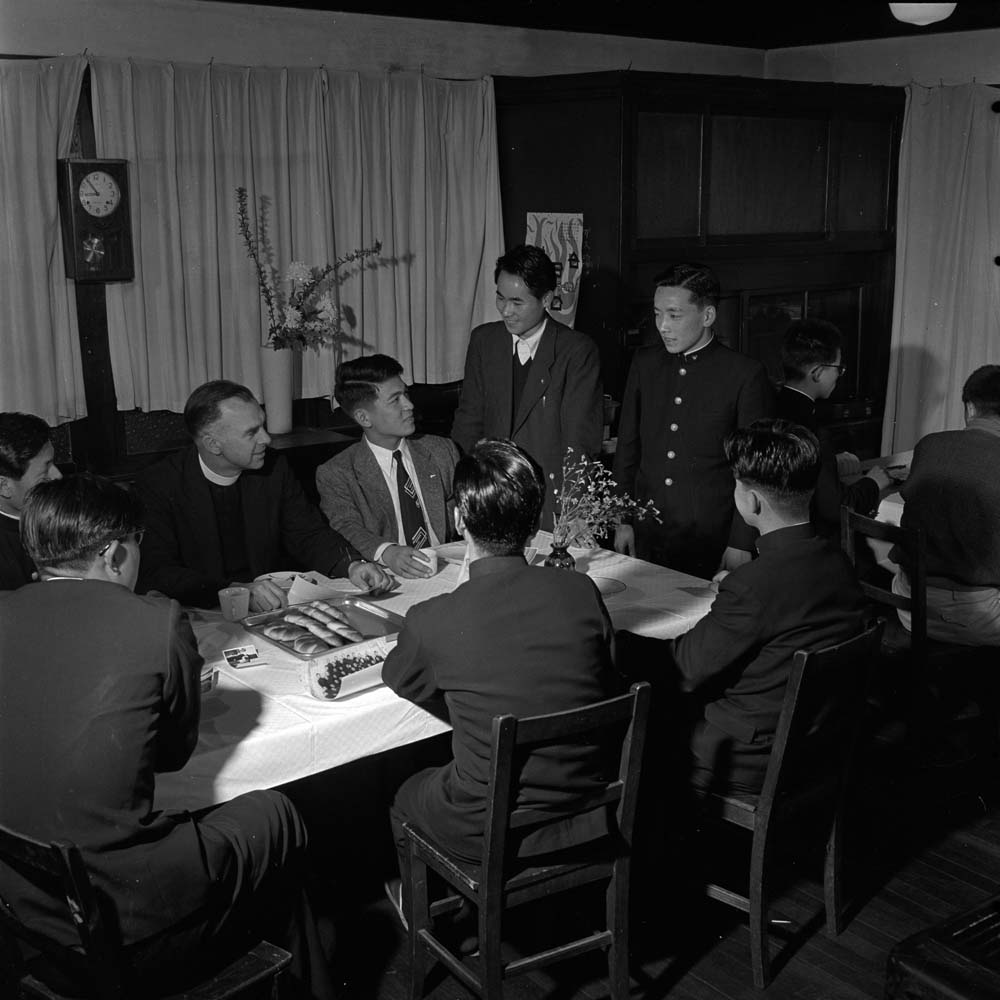


Sophia University currently operates three student residences in Tokyo: Soshigaya International House, Arrupe International Residence, and Edagawa Men’s Dormitory. More than places to live, these residences serve as educational communities that encourage interaction among students and foster personal growth. Their history can be traced back to St. Aloysius Hall, the university’s first student residence, which supported student life from Sophia’s earliest days. Although all university-operated residences are now located off campus, the first residence was situated within the campus grounds.
Sophia University’s First Student Residence: St. Aloysius Hall
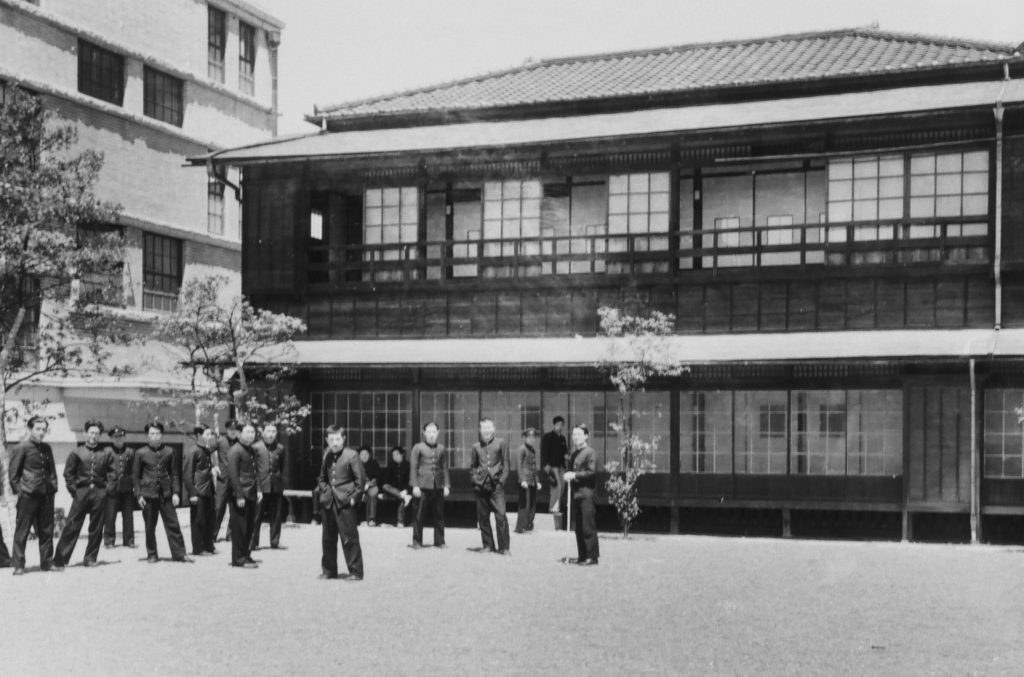
The university’s first student residence was established in part of the former Akaboshi Tetsuma residence and the former Oshima Hisanao residence, properties acquired along with the land in Kojimachi. Under the guidance of priests, the residence aimed to foster students’ personal development through disciplined communal living.
Father Henri Boucher, one of Sophia University’s founders, recorded in his diary on April 20, 1913: “The students staying in the bedrooms of the Akaboshi and Oshima houses held parties, chatting and making quite a racket.” His account confirms that a student residence was already in operation in the university’s founding years. In November 1913, Father Joseph Dahlmann likewise reported to the Jesuit headquarters in Rome that as many as 26 students were living in the residence.
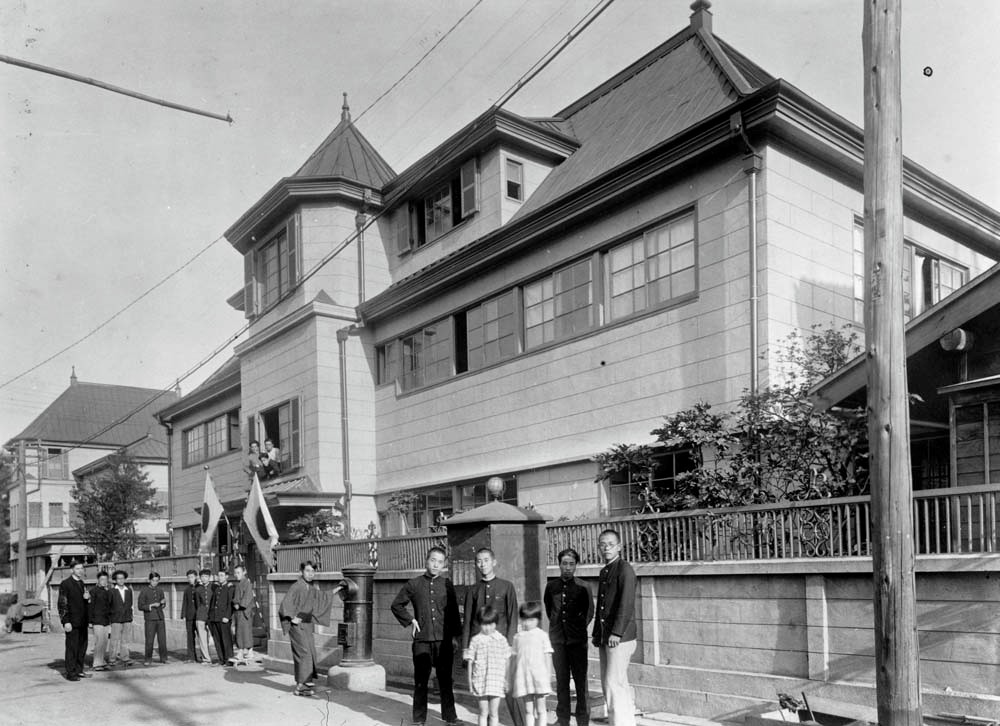
Initially, the residence accommodated students from other universities, including Tokyo Imperial University (now the University of Tokyo) and Keio University, regardless of whether they were Catholic. However, shortcomings in its management led to its closure after a relatively short period. From 1921, admission was restricted to Catholics and those discerning a vocation to the priesthood, irrespective of their university affiliation. It was around this time that the residence came to be known as St. Aloysius Hall.
The name derives from St. Aloysius Gonzaga (1568–1591), a Jesuit saint who devoted his short life to his faith and the practice of love for others. He is still recognized as the patron saint of young people.
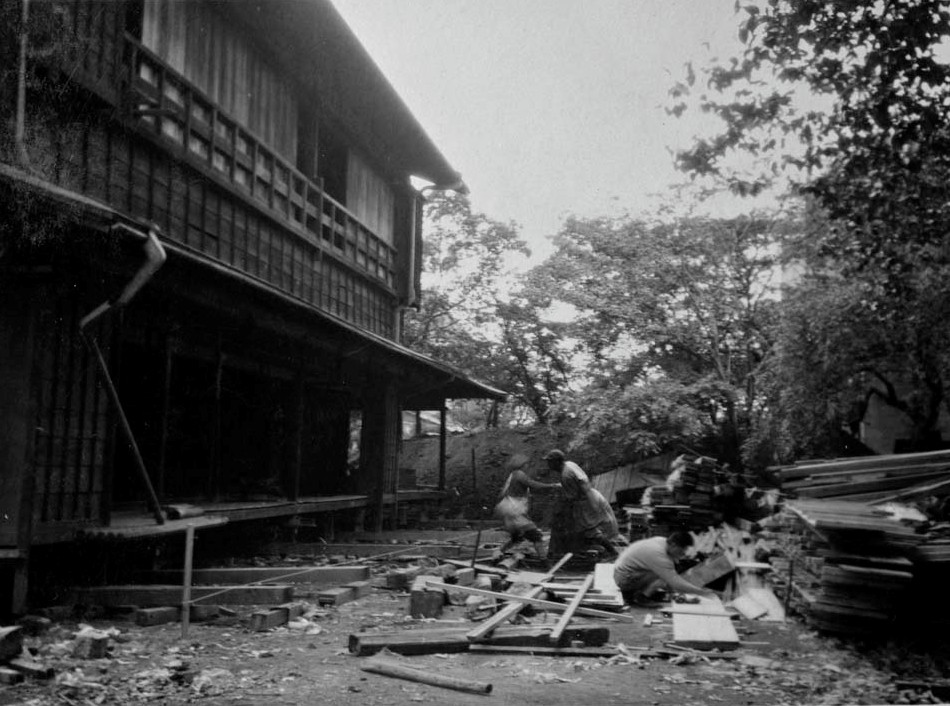
Construction of Building No. 1 began in June 1930, and plans for a new St. Aloysius Hall were developed alongside it. Completed in June 1932, the new three-story wooden building formed part of the Building No. 1 development project. It was designed by Max Hinder, with Brother Ignatius Gropper overseeing the construction. The original St. Aloysius Hall building was dismantled and relocated, and it was reassembled beside the new residence.
Life at St. Aloysius Hall
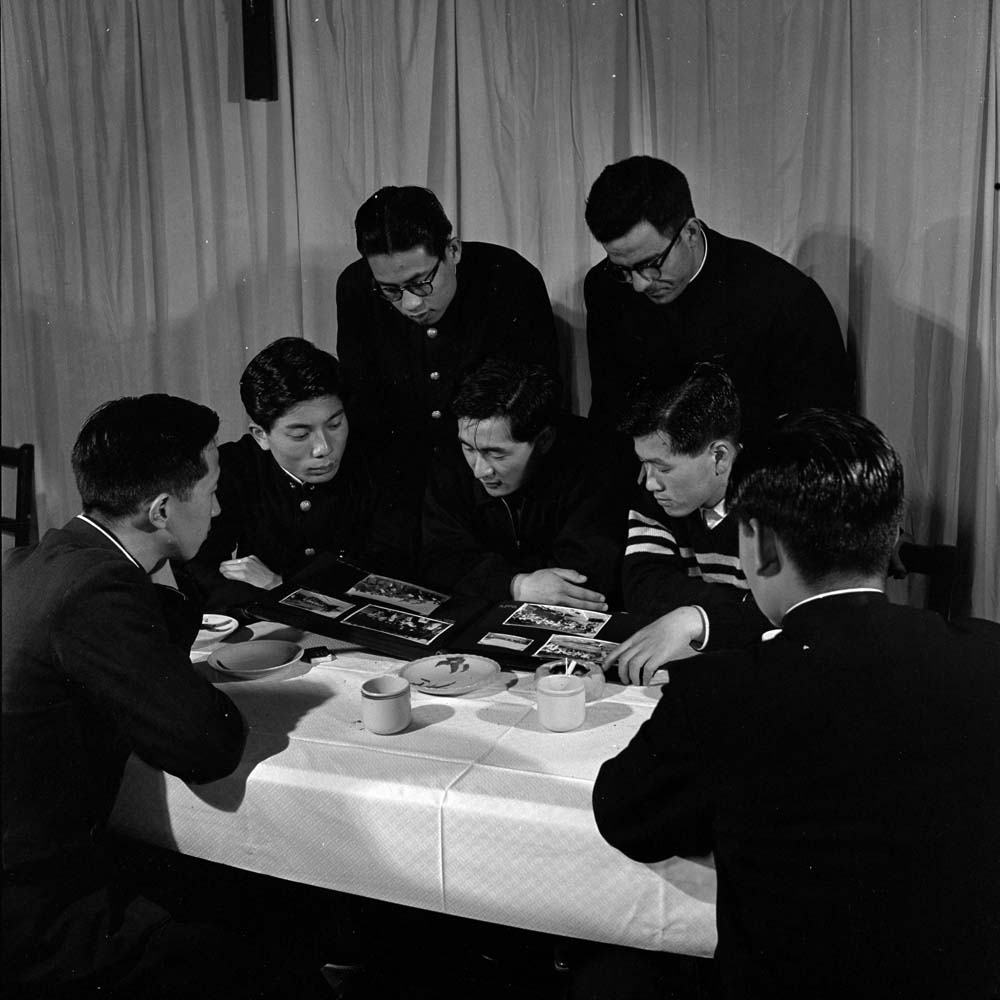
According to a former resident who lived at the residence from 1951 to 1955, daily life followed a strict schedule. Students rose at 6 a.m. and routinely served as altar servers at St. Ignatius Church. The curfew was 7 p.m., and visits to other residents’ rooms were restricted after dinner. A final gathering was held at 9 p.m., and lights-out was at 11 p.m.
Choral singing was also an important part of residence life. Every Wednesday at 6 p.m., students gathered in the dining hall to sing German folk songs and hymns.
Despite the strict rules, the residence hosted a variety of events that strengthened bonds among students. Baseball games were held with residents of Kamaboko House, a neighboring student residence built in 1948 exclusively for Sophia University students. The games provided opportunities for students from the two residences to get to know one another. On nights when the residents won, they sometimes celebrated with fine Western liquor provided by the residence supervisor.
A residence festival was also held on June 21, the feast day of St. Aloysius. The program included performances such as pantomime.
St. Aloysius Hall was home to several individuals who would later make significant contributions in their respective fields. Among them were the novelist Shusaku Endo, who lived there during his preparatory-school years; Archbishop Jun Ikenaga; South Korean Cardinal Stephen Kim Sou-hwan; and Takashi Takigami, who later served as president of Odakyu Electric Railway.
From St. Aloysius Hall to a New Student Residence
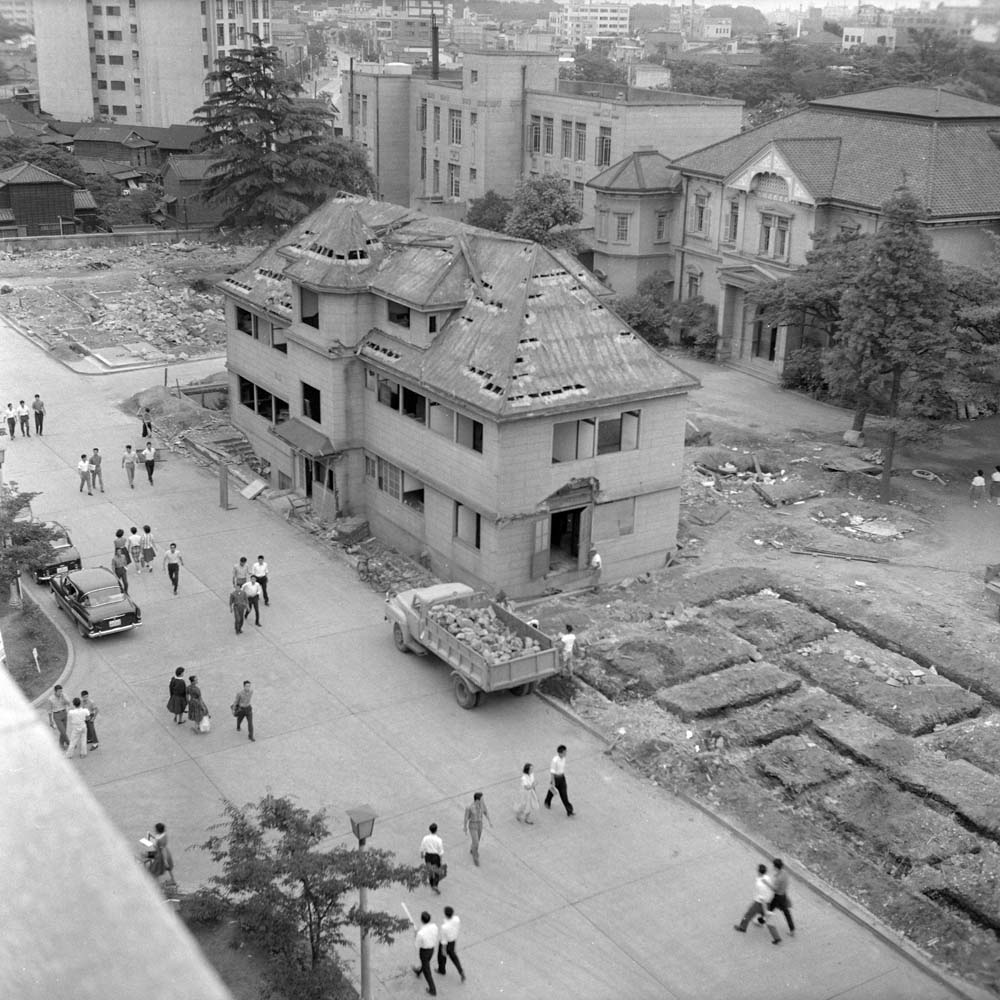
St. Aloysius Hall survived the devastation of the Great Tokyo Air Raid. In 1957, however, a new men’s residence with a capacity of approximately 200 students was established on the Yotsuya Campus. Residents of St. Aloysius Hall moved into the new facility together with those of Kamaboko House.
In 1961, St. Aloysius Hall was dismantled, bringing to a close its long history as a communal home for Sophia students.
For nearly half a century, St. Aloysius Hall had been a place where students lived, learned, and formed lasting friendships. The memories of learning and fellowship nurtured there remain part of Sophia University’s history.
For more on the history of student residences at Sophia University, please also visit the online exhibition 100 Years of Student Residences.
[1] Nihon Keizai Shimbun, “Koyuroku,” May 28, 1992.


